150 Years of History
A Society Forged in Crisis
The Memphis Medical Society was born in 1876, when Shelby County physicians gathered to advance medical knowledge and safeguard public health. Within two years, those founders would be tested by one of the deadliest epidemics in American history — and a professional society would become, almost overnight, a frontline response to catastrophe.
- Click to Expand

1876 | The Society Is Founded
Shelby County’s physicians gathered in the spring of 1876 to establish a professional home for themselves — and a commitment to their community.
In April of 1876, Shelby County’s physicians gathered to organize what would become the Memphis Medical Society.
A committee of five — Drs. D. D. Sanders, F. L. Sim, W. D. Tucker, G. K. Duncan, and R. H. Taylor — was appointed to draft the constitution and by-laws for the government of the new organization, then known as the Shelby County Medical Society.
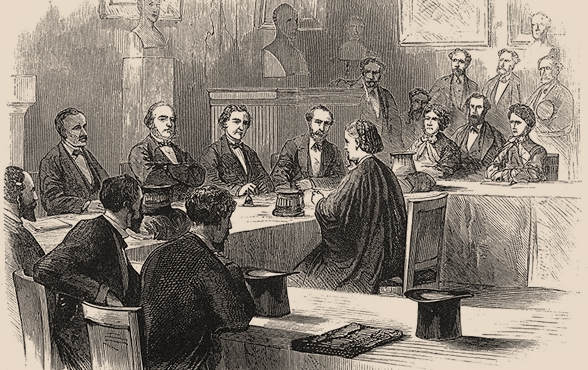
Their stated purpose, recorded in the Society’s founding constitution, was the advancement of medical knowledge, the elevation of professional character, the protection of professional interests of its members, and the promotion of all measures adapted to the relief of suffering, the improvement of health, and the protection of lives in the community.
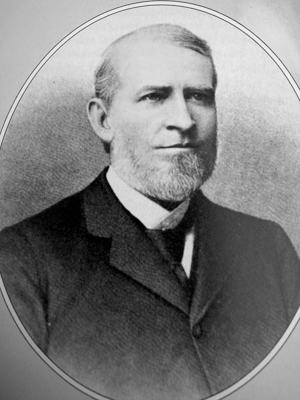
Dr. Robert Wood Mitchell was named the Society’s first president. A respected physician and soon-to-be leader in the national public health movement, Mitchell set the tone for what the Society would be: rigorous, civic-minded, and unafraid to take on the hard problems of its day. Within two years of its founding, the Society’s members would face the most devastating public health crisis in the city’s history. The Memphis Medical Society was only two years old when yellow fever struck — and the choices its physicians made in that moment would define the organization for generations to come.

1877 | A Medical College, Delayed
Dr. William E. Rogers envisioned a medical school, but epidemics derailed the plans.
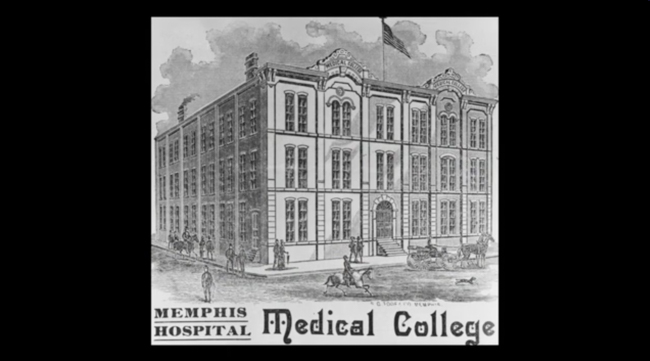
The Memphis Hospital Medical College would finally open its doors in 1880, with Dr. Rogers serving as Dean until 1884. Its opening laid the groundwork for Memphis’s emergence as a center of medical education — a foundation that would eventually draw the University of Tennessee College of Medicine to the city in 1911 and anchor more than a century of physician training in the Mid-South.

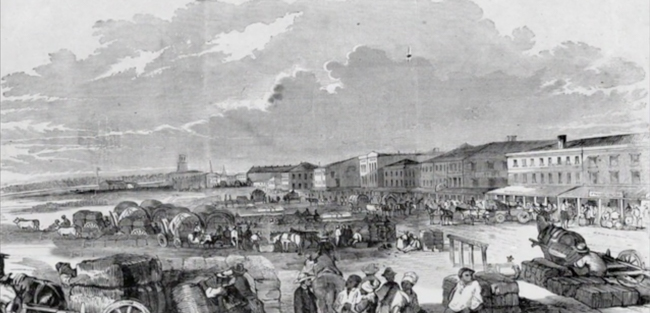
1878 | Yellow Fever Strikes Memphis
Thousands fled the city. More than 5,000 died. Memphis would never be the same
One of the worst epidemics in American history landed in Memphis in 1878. The Society’s first president, Dr. Robert Wood Mitchell, served as head of the Howard Medical Corps during the outbreak and would go on to become a leader in the national public health movement. The epidemic reshaped Memphis — and its medicine — for generations.
1878 | The Howard Association
Thirty-two young businessmen volunteered to fight the epidemic. Ten of them died.
As most of Memphis fled, the members of the Howard Association stayed — tending the sick, burying the dead, supporting the physicians who remained. Their story is one of the defining images of the yellow fever era: ordinary citizens who chose to face what others were running from.
1878 | A Nation Watches Memphis
Memphis’s 1878 catastrophe was not just a local tragedy — it reshaped how American cities thought about sanitation, disease response, and municipal health.
The 1878 epidemic reached national consequences — shaping American public health policy for decades.
Memphis’s catastrophe became a case study in municipal sanitation and disease response. The epidemic drove federal interest in public health at a time when there was no national public health agency — the U.S. would not create the Public Health Service in its modern form until 1912.
Their stated purpose, recorded in the Society’s founding constitution, was the advancement of medical knowledge, the elevation of professional character, the protection of professional interests of its members, and the promotion of all measures adapted to the relief of suffering, the improvement of health, and the protection of lives in the community.
Dr. Robert Wood Mitchell was named the Society’s first president. A respected physician and soon-to-be leader in the national public health movement, Mitchell set the tone for what the Society would be: rigorous, civic-minded, and unafraid to take on the hard problems of its day. Within two years of its founding, the Society’s members would face the most devastating public health crisis in the city’s history. The Memphis Medical Society was only two years old when yellow fever struck — and the choices its physicians made in that moment would define the organization for generations to come.
1878 | A Killing Frost Ends the Epidemic
A hard autumn frost on October 19, 1878, killed off the mosquito population, ending the epidemic.
The Memphis Hospital Medical College would finally open its doors in 1880, with Dr. Rogers serving as Dean until 1884. Its opening laid the groundwork for Memphis’s emergence as a center of medical education — a foundation that would eventually draw the University of Tennessee College of Medicine to the city in 1911 and anchor more than a century of physician training in the Mid-South.
1879 | A Second, Milder Outbreak
Yellow fever returned in 1879 — but nothing like the devastation of the year before.
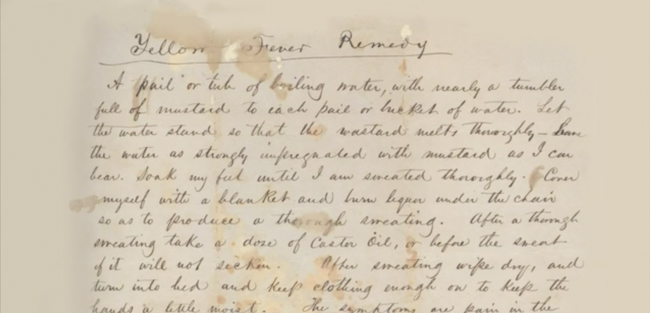
Yellow fever returned in 1879, but nothing approached the devastation of the year before. The epidemic was a reminder that the threat had not fully passed. Memphis would not see another comparable outbreak — the combination of improved sanitation, hard-won medical knowledge, and eventually, decades later, the understanding of mosquito transmission would put yellow fever in Memphis’s past.

Rebuilding a Medical City
In the decade after yellow fever, Memphis transformed itself. A medical college opened. Specialty practices took root. Private infirmaries admitted their first patients. Nurses began training here. And beneath the streets, forty-five miles of new sewer pipe carried away the conditions that had once made Memphis one of the least sanitary cities in America.
- Click to Expand
1880 | Memphis Hospital Medical College Opens
Shelby County’s physicians gathered in the spring of 1876 to establish a professional home for themselves — and a commitment to their community.
Memphis finally had a medical school. The groundwork was laid for a century of physician training.
Delayed by two yellow fever epidemics, the Memphis Hospital Medical College opened in 1880 with Dr. William E. Rogers as Dean. Among its founders was Dr. Dudley Dunn Saunders, who would go on to serve as Memphis Medical Society president twice — from 1882 to 1884, and again in 1895.
Their stated purpose, recorded in the Society’s founding constitution, was the advancement of medical knowledge, the elevation of professional character, the protection of professional interests of its members, and the promotion of all measures adapted to the relief of suffering, the improvement of health, and the protection of lives in the community.
Dr. Robert Wood Mitchell was named the Society’s first president. A respected physician and soon-to-be leader in the national public health movement, Mitchell set the tone for what the Society would be: rigorous, civic-minded, and unafraid to take on the hard problems of its day. Within two years of its founding, the Society’s members would face the most devastating public health crisis in the city’s history. The Memphis Medical Society was only two years old when yellow fever struck — and the choices its physicians made in that moment would define the organization for generations to come.
1880 | The First Specialty
Gynecological surgery became Memphis’s first distinct medical specialty.
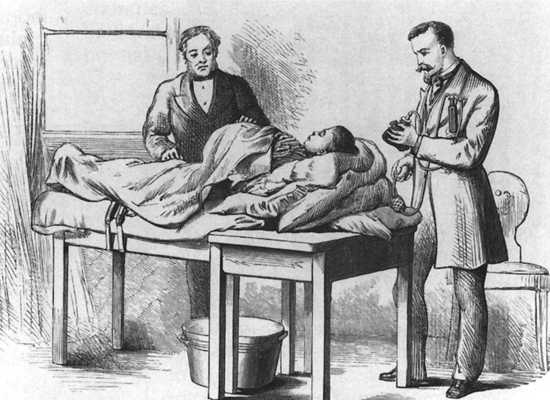
The Southern Surgical and Gynecological Association formed in 1880 — the beginning of a specialization pattern that would continue for the next fifty years.
1881 | A School of Pharmacy
Memphis begins training not just physicians, but the full range of medical professionals.
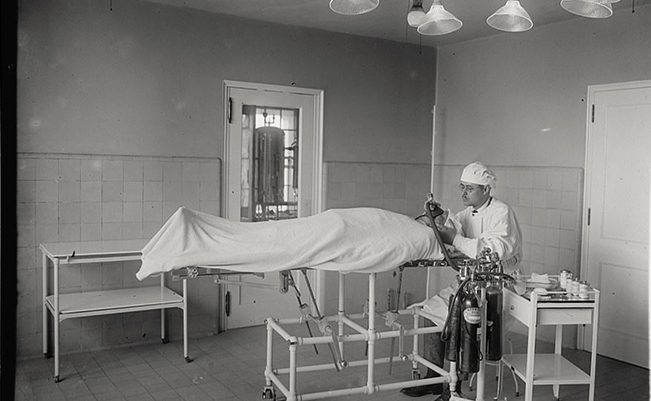
The School of Pharmacy was established at Memphis Hospital Medical College in 1881, graduating its first class of students the following year.

1881 | Medical Journalism Begins
Memphis physicians got a platform of their own.
January 1881 saw the first issue of the Mississippi Valley Medical Monthly, renamed the Memphis Medical Monthly in 1888. The journal let Memphis doctors share research and discuss the era’s rapidly changing science.
1881 | West Tennessee Medical Association
Physicians built the institutions they would need to face the next crisis together.
The West Tennessee Medical Association formed in January 1881, part of a wave of regional medical organizing that followed the yellow fever years.

1882 | The First Pharmacy Graduates
The School of Pharmacy at Memphis Medical College graduated its first class.
A year after the school’s founding, Memphis had trained its first pharmacists locally — a small but meaningful step in building the broader medical workforce the city would need for the twentieth century.
1883 | A Private Infirmary Opens
The Rogers Surgical Infirmary marked a new era: private infirmaries where paying patients could receive dedicated surgical care outside the public hospital system.
The Rogers Surgical Infirmary opened its doors — one of the very first private infirmaries for paying patients in Memphis.
The Rogers Surgical Infirmary was run by a father-and-son team of Memphis physicians and operated first from a residence at 171 Vance Avenue. In 1887, the infirmary relocated to 69 Madison — a move that reflected both the practice’s growth and the city’s shifting medical geography.
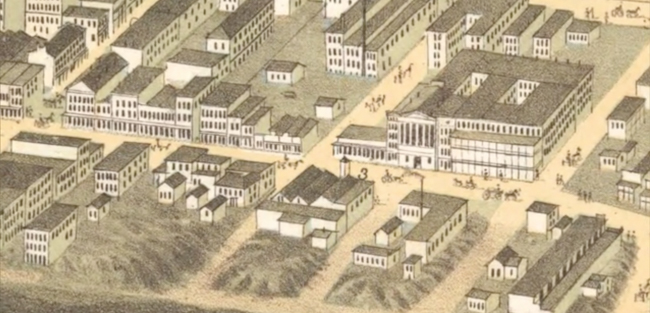
Memphis’s medical institutions were beginning to cluster in what would eventually become the Medical District, and the Rogers family was an early participant in that pattern. The infirmary represented a new model: small, physician-owned, offering dedicated surgical care to patients who could pay for it — distinct from both the public hospitals and the charity institutions that had dominated the postwar decades.
The Rogers Infirmary’s significance extended beyond its own patient population. It signaled that Memphis now had a medical market sophisticated enough to support private institutions alongside the public ones — that the city’s physicians had the skill and reputation to attract paying patients, and that Memphis families increasingly had both the means and the inclination to seek care in dedicated surgical facilities rather than at home. The private infirmary model would grow across the 1890s and 1900s into Memphis’s first true private hospitals — St. Joseph in 1889, the Memphis Sanitorium in 1890, and eventually the large institutions like Baptist Memorial that would define twentieth-century Memphis medicine.
1884 | A First for Black Memphians on Beale
Memphis native Dr. John C. Walker became the first Black physician to practice on Beale Street — the economic and professional heart of Black Memphis.
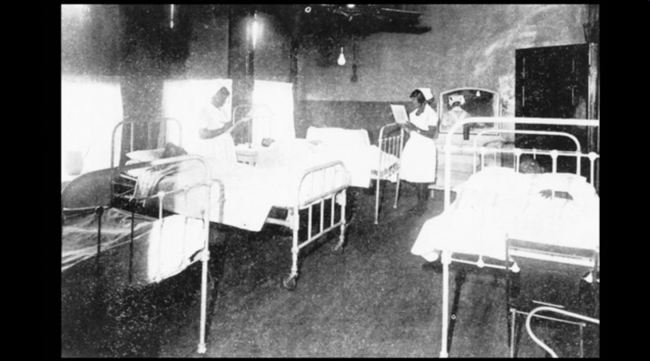
Walker’s practice marked the beginning of a long, distinguished lineage of Black physicians in Memphis. At a time when Black patients were routinely refused care at white hospitals, and when Black physicians were excluded from the city’s medical societies, opening a practice on Beale Street was an act of both professional ambition and civic resistance. Walker and those who followed built a parallel medical infrastructure that would eventually include its own hospitals, its own medical society, and its own nurses’ training schools.
1885 | The First Infirmary for Women’s Diseases
Drs. Robert Wood Mitchell and Richard Brooke Maury opened Memphis’s first infirmary dedicated to the diseases of women.
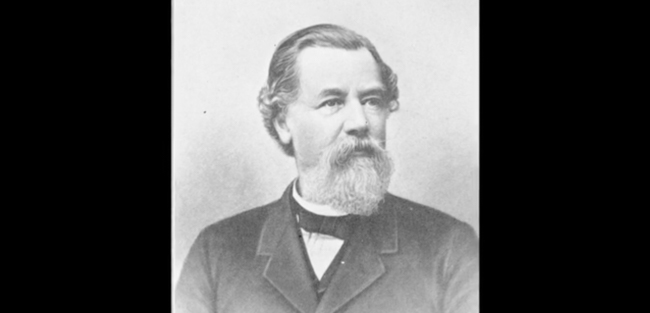
Drs. Robert Wood Mitchell and Richard Brooke Maury opened Memphis’s first infirmary dedicated to the diseases of women. Mitchell had been the Society’s first president; Maury’s son, Dr. John M. Maury, would go on to serve as Society president in 1925. Two years later, the same site would become home to the Memphis Training School for Nurses — a first for Tennessee and a key moment in the professionalization of nursing in Memphis.
1885 | EENT Arrives in Memphis
The city’s first eye, ear, nose, and throat specialist opened his practice — and offered free care to hundreds of schoolchildren.
The city’s first eye, ear, nose, and throat specialist opened his practice.
Dr. James L. Minor came to Memphis in 1885 as the city’s first specialist in the diseases of the eye, ear, nose, and throat. At a moment when most American physicians still practiced as generalists, Minor’s specialty represented a broader shift in medicine — a recognition that the accumulation of scientific knowledge had outpaced what any individual could master, and that the profession would be better served by physicians who focused deeply on particular organ systems.
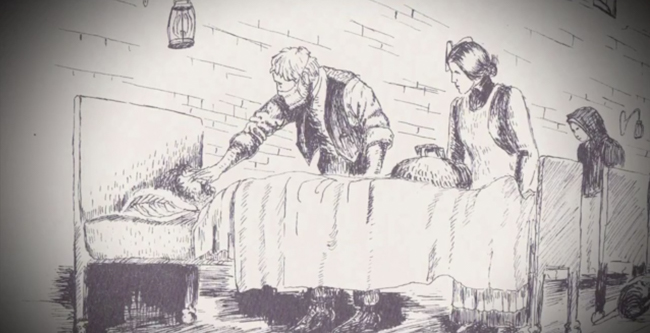
His arrival placed Memphis among the cities beginning to build the specialty infrastructure that would define twentieth-century American medicine.
In 1889, Minor offered his services free of charge to 682 Memphis schoolchildren — an early example of the civic medicine that would characterize many Memphis physicians over the decades that followed. The work was practical as well as humane: untreated eye conditions, hearing problems, and chronic sinus issues were significant barriers to children’s learning, and Minor’s clinics identified and addressed problems that would otherwise have shaped these children’s educational trajectories. That tradition of physician-provided free care for children, extending from Minor through Campbell Clinic’s crippled children’s programs and on to St. Jude, became one of the defining patterns of Memphis medicine.
1887 | The Society Gets Its Modern Name
The Shelby County Medical Society became the Memphis Medical Society — and the same year, began training the city’s first nurses.
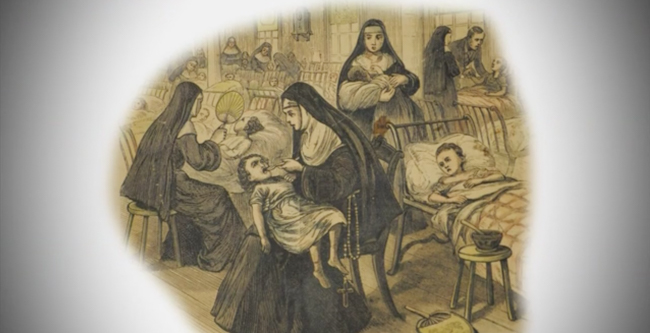
The Memphis Training School for Nurses was established at the Mitchell-Maury Infirmary in 1887 — another first for the city. Memphis was no longer just treating patients; it was training the next generation to do the same.
1887 | Memphis Hosts the APHA
The city once known as America’s least sanitary was chosen to host the American Public Health Association.
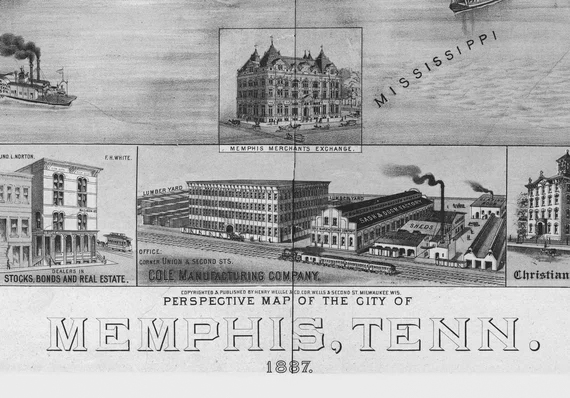
By 1888, forty-five miles of new sewer pipe had been installed since the project began in 1879. Sanitary conditions improved so dramatically that Memphis — still remembered nationally for yellow fever — was selected to host the APHA’s 15th Annual Meeting in November 1887. It was a remarkable public statement of how far the city had come.
1889 | The State Moves Against Quacks
For the first time, Tennessee law drew a line between trained medicine and the patent-medicine charlatans who had long preyed on the sick.
In spring of 1889, the Tennessee State Legislature passed a bill requiring every physician to register with the state.
At the time the law took effect, 92 doctors registered in Memphis: 81 regulars, 2 eclectics, 1 Thomsonian, 4 homeopaths, 2 practitioners, and 2 unspecified. Five of the 92 doctors were Black.
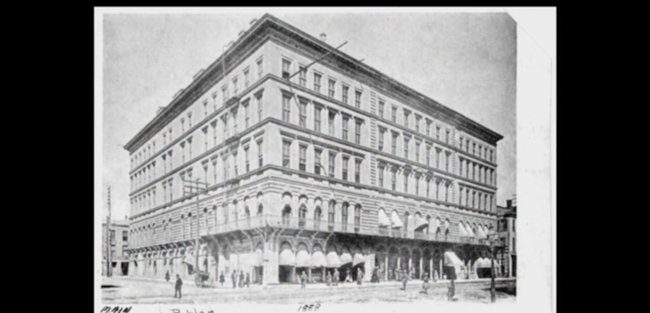
The categories themselves tell the story of nineteenth-century American medicine — a field in which competing philosophies of healing, from traditional allopathic practice to plant-based Thomsonian medicine to homeopathy, each claimed scientific legitimacy and each competed for patients and respectability
The licensing law was an early, imperfect attempt at what a century of reform would eventually produce: the regulated, credentialed medical profession Americans know today. It could not, on its own, stop every quack or prevent every bad outcome. But it drew a line — between the physician who had submitted to state oversight and the charlatan who had not — and that line mattered. Combined with the 1906 Pure Food and Drug Act two decades later, it was part of a slow federal and state tightening of the rules around what could be sold as medicine, and by whom, that would reshape the profession across the next generation.
1889 | St. Joseph’s Hospital Opens
Two small cottages on Jackson Avenue became the seed of one of Memphis’s great hospitals.
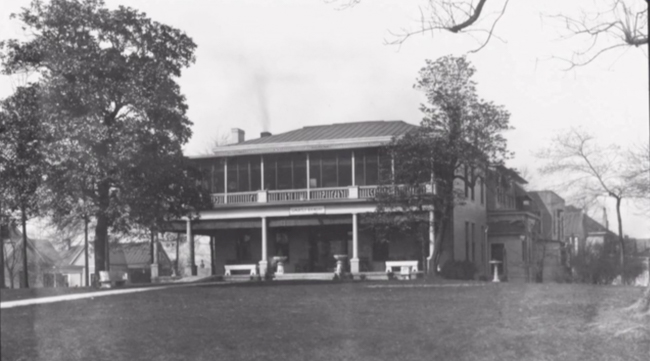
St. Joseph’s Hospital opened in March 1889, staffed by the Sisters of St. Francis. Within six years it would grow into the first modern private general hospital in Memphis.
1889 | Tennessee’s First Nursing Diploma
Lena Angevine Warner became the first nurse in Tennessee to receive a diploma.
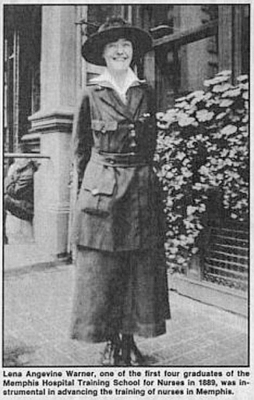
She would go on to found the Tennessee Nursing Association and play a central role — at the federal level — in the fight against mosquito-borne illness. Her work in Cuba contributed directly to the understanding of yellow fever transmission.
A Profession Comes Into Its Own
By the 1890s, Memphis medicine was no longer just recovering — it was building. Women physicians opened the city’s first female-led practices. The first Black woman licensed to practice medicine in Tennessee settled here. A new City of Memphis Hospital opened. And a generation of specialists, many trained in Europe, began to reshape what Memphis medicine could do.
- Click to Expand

1890 | The Memphis Sanitorium
Three physicians banded together to build a modern four-story hospital — a new model for Memphis medicine.
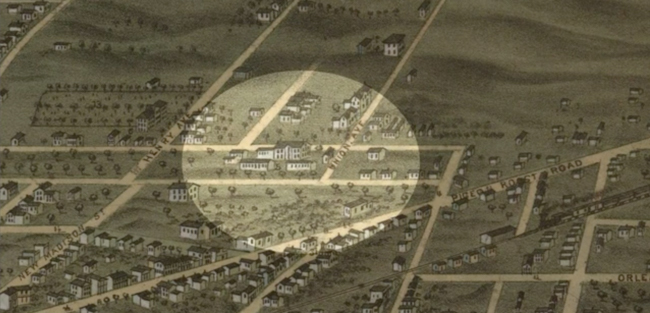
Drs. T.J. Crofford, W.B. Rogers, and B.G. Henning launched the Memphis Sanitorium in 1890 as a cooperative hospital venture. The project reflected a new idea: physicians pooling resources to build the kind of facility Memphis increasingly needed.
1891 | The Women’s Hospital Association
Female leaders in Memphis, with the help of Dr. Richard Brooke Maury, built an institution to serve women’s health.
The Women’s Hospital Association opened its first facility in 1893 and evolved over the years, eventually opening a larger facility at 855 Union Avenue in 1907 — an early example of organized philanthropy driving a Memphis medical institution.

1891 | The First Women in Practice
Dr. Rachel Gowling practiced from the Randolph Building, soon joined by Dr. Louise Drouillard and Dr. Mary O’Driscoll.
Gowling was one of the first female physicians in Memphis. O’Driscoll died soon after joining, but Gowling and Drouillard continued their practice together into the 1920s.

1893 | Dr. Ellett Returns Home
Dr. Edward Ellett came back to Memphis and would be one of the most prominent physicians the city would produce.
After earning his M.D. at the University of Pennsylvania and interning at St. Agnes Hospital, Ellett partnered with Dr. James L. Minor on an ophthalmology and otolaryngology practice. He died in 1947, at an AMA conference in Atlantic City.

1895 | The First Private General Hospital
The modern 200-bed St. Joseph Hospital opened — Memphis’s first private general hospital.
What had started six years earlier in two small cottages had grown into one of the city’s cornerstone medical institutions, staffed by the Sisters of St. Francis.
1895 | A Memphis First for Dr. Patton
Dr. Georgia Lee Patton became the first Black woman licensed to practice medicine and surgery in Tennessee.
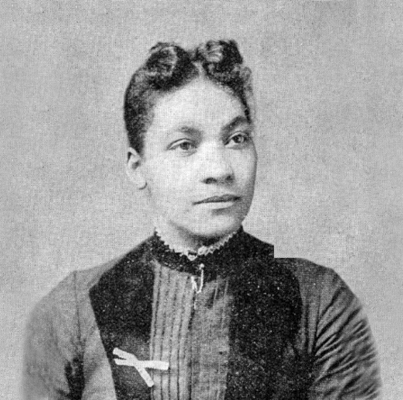
After graduating Meharry Medical College in 1893 and paying her own passage to Liberia for two years of missionary medicine, she settled in Memphis in 1895. She died young of tuberculosis — but the path she opened would carry others forward.
1898 | A New City Hospital
The ‘new’ City of Memphis Hospital opened, replacing an outdated building on what is now Medical Sciences Park.
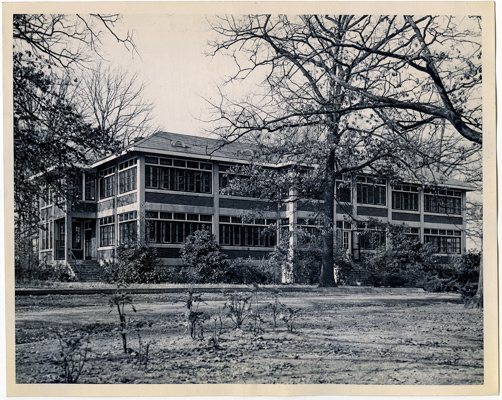
The new facility reflected how much Memphis medicine had grown — and how much more it was being asked to do.
1899 | Dr. Turner and the New Field of Neuropsychiatry
As the twentieth century approached, Memphis was already engaging with one of the century’s defining medical frontiers — mental health.
Dr. Benjamin F. Turner served as Memphis Medical Society president in 1899 — and as the first professor of neuropsychiatry at the University of Tennessee.
Turner also headed UT’s Department of Neurology and Psychiatry, positioning Memphis alongside the national conversation on mental health that would shape twentieth-century medicine.

Neuropsychiatry was a young field at the turn of the century — a specialty that bridged the still-contested terrain between organic brain disease and what the era still largely called ‘nervous disorders.’ That a Memphis physician was not only practicing in this space but teaching it to the next generation of doctors put the city at the frontier of an emerging medical science.
Turner represented a new type of physician taking root in Memphis: specialized, academically trained, institutionally embedded. The general practitioner — who delivered babies, set bones, treated fevers, and handled everything else — was still the backbone of medical care. But alongside that tradition, Memphis was developing specialists in ophthalmology, gynecology, neurology, and a half-dozen other emerging fields. Over the coming decades, that model of specialized academic medicine, anchored by the University of Tennessee and the hospitals growing up around it, would define Memphis medicine for the next hundred years.

A New Century, A New Memphis
The new century brought a new name for the Society and a new wave of institution-building across Memphis. Hospitals opened to serve patients the existing system had neglected — including the city’s first hospitals built by and for the Black community. A federal law began regulating what pharmacists could sell. And a new medical society formed among the Black physicians of Memphis, creating a professional home that the establishment had refused to provide.
- Click to Expand
1900 | Dr. Kane Opens Her Practice
Dr. Elizabeth Kane opened her Memphis practice in 1900 — part of the small but growing cohort of women physicians establishing themselves in the city.
Dr. Elizabeth C. Kane opened an office in the Women’s Building on Second Street — one of the few women in Memphis running her own practice before WWI.
Dr. Elizabeth Kane was part of a small but significant cohort of women physicians who had begun practicing in Memphis in the 1890s and 1900s.
Her generation faced barriers that were structural, not just social: most American medical schools had only recently begun admitting women at all, hospital privileges were still often restricted to men, and professional societies had been slow to integrate. Kane and her colleagues — figures like Dr. Rachel Gowling, Dr. Louise Drouillard, and Dr. Mary Buckner — had fought their way through those barriers to build real clinical careers in Memphis.
Kane’s practice reflected a quiet but important shift in the Memphis medical landscape. Women physicians were establishing themselves, particularly in obstetrics, gynecology, and pediatrics — areas where women patients often preferred women physicians and where professional opportunity was, if not open, at least less categorically closed. The path these pioneers walked would be extended decades later by Dr. Evelyn Ogle’s 1992 election as Memphis Medical Society president — and by the mid-2000s shift at UT College of Medicine, where women would make up about half of the student body. Every one of those later milestones stood on the foundation physicians like Kane had laid.

1902 | The Society Takes a New Name
The Society was renamed the Memphis and Shelby County Medical Society to reflect its growing regional reach.
The change followed the reorganization of the Medical Society of Tennessee as the TMA, signaling the Society’s role as the regional home for organized medicine.

1906 | A New Medical College, A New Curriculum
The College of Physicians and Surgeons became the first medical school in the South to use a graded curriculum system.
It was a signal that Memphis medicine intended to be measured by national standards, not regional ones — a theme that would define the next century of the city’s medical education.

1906 | The Pure Food and Drug Act
For the first time, federal law regulated what could be sold as medicine in the United States.
The patent-medicine era that had flourished since the Civil War was ending, replaced by the beginnings of modern pharmaceutical oversight.
1907 | The University of West Tennessee Comes to Memphis
A school that trained a generation of Black doctors, dentists, nurses, and pharmacists — and that the Flexner Report would eventually force to close.
The University of West Tennessee relocated to Memphis in 1907 and became one of the most important schools in the region for training Black medical professionals.
Its faculty trained Black doctors, dentists, nurses, pharmacists, and lawyers at a time when most medical institutions in the South — and in much of the country — were closed to them. For Black students with the talent and determination to pursue a medical career, the University of West Tennessee was one of a small handful of places where that career was possible.
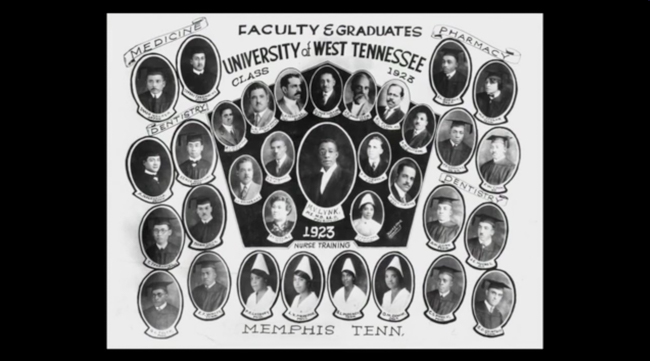
The school’s existence helped seed a generation of Black Memphis professionals who went on to staff the city’s Black hospitals, found the Bluff City Medical Society, and build the parallel medical infrastructure that served Black Memphians through decades of legal segregation.
The school was later forced to close in the wake of the 1910 Flexner Report — a national survey of medical education commissioned by the Carnegie Foundation that applied a single set of standards to every medical school in the country. The Report’s recommendations accelerated the closure of dozens of schools. Those serving Black communities, which lacked the endowments, laboratories, and affiliations of older institutions, were hit disproportionately hard. Of the seven Black medical schools operating in 1910, only two — Howard and Meharry — would survive. The University of West Tennessee would not.
1907 | The Bluff City Medical Society
Black physicians in Memphis founded their own medical society — a professional home the city’s established societies had refused to offer them.
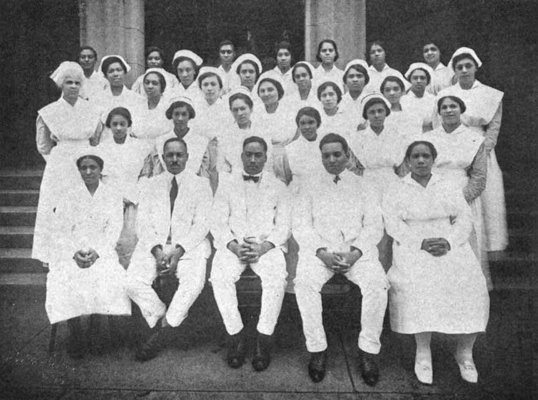
Bluff City Medical Society would grow into an essential institution, anchoring the professional community that built and staffed Memphis’s Black hospitals for the next half-century. It remains active in Memphis today.
1908 | A Sixteen-Year-Old Entrepreneur
At age sixteen, Abe Plough established Plough Chemical Company with $125 borrowed from his father.
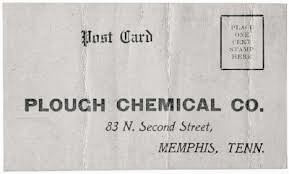
What began as a one-man operation would grow over the next half-century into one of Memphis’s most important pharmaceutical companies — and Plough himself into one of the city’s most significant philanthropists.
1909 | The Memphis Tuberculosis Hospital
A hospital opened to fight a disease that was then a leading cause of death in Memphis.
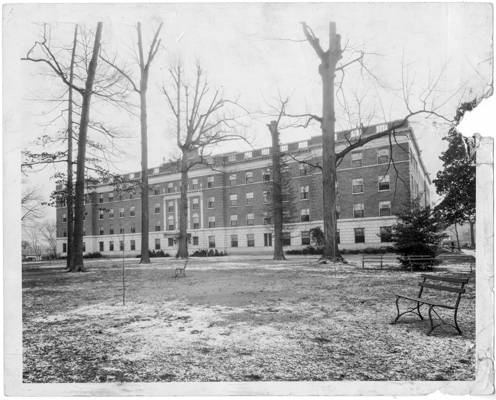
The Memphis Tuberculosis Hospital opened in 1909 as a dedicated facility for a disease that was still the leading cause of death in the United States. At a time when tuberculosis treatment meant primarily rest, fresh air, and isolation, the hospital reflected a growing recognition that TB patients needed specialized institutional care — and that containing the disease meant keeping those patients separated from the general population. It operated as part of Memphis’s broader public health infrastructure for decades, alongside the Oakville Sanatorium that would open in 1921.
1909 | The Jane Terrell Hospital
The Jane Terrell Hospital opened on Williams Avenue — funded by the Negro Baptist Association.
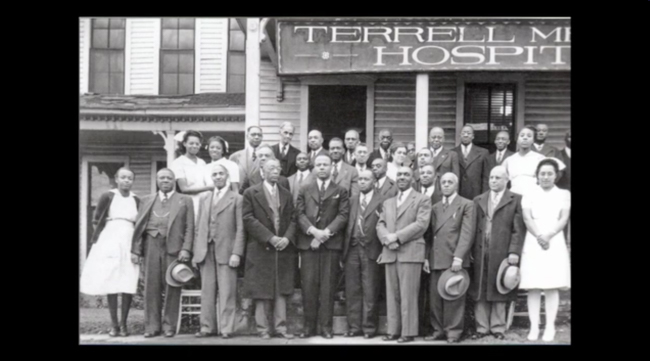
Jane Terrell Memorial Hospital was founded in 1909 by the Colored Methodist Episcopal Church to serve Memphis’s Black community at a time when most of the city’s hospitals excluded Black patients. Its nursing school trained most of the Black nurses who worked for the Memphis Health Department — a pipeline that quietly did the work of desegregating public health long before the law required it. Renamed Terrell Memorial after the 1938 death of longtime superintendent Dr. Cleveland A. Terrell, the hospital served patients until 1963, a span of more than fifty years as a cornerstone of Black medical care in Memphis.
A Medical Capital Takes Shape
The University of Tennessee College of Medicine moved to Memphis. Baptist Memorial and what would become Methodist Le Bonheur opened their doors. Dr. Willis C. Campbell began the orthopedic work that would define a dynasty. The first woman graduated from UT’s medical school. And when the United States entered World War I, Memphis physicians and nurses shipped out in organized units — treating the wounded, performing surgery on moving trains, and dying on hospital ships torpedoed at sea.
- Click to Expand

1910 | Dr. Martin Takes Over Collins Chapel
Dr. William S. Martin remodeled, expanded, and doubled the beds of Collins Chapel Hospital — under his own financing.
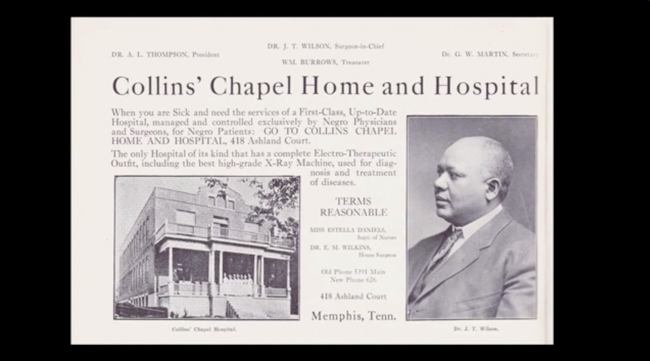
Dr. William S. Martin took over Collins Chapel Hospital in 1910, extending its mission of serving Memphis’s Black community. Martin was a central figure in Black Memphis medicine for decades, eventually playing a leading role in the opening of E.H. Crump Hospital in 1956 as well. His long career bridged the era of separate Black hospitals and the desegregation that would eventually reshape Memphis healthcare.
1910 | The Gartly-Ramsay Hospital
A converted mansion on Jackson Avenue became a hospital — and eventually, a psychiatric facility where William Faulkner would be treated.
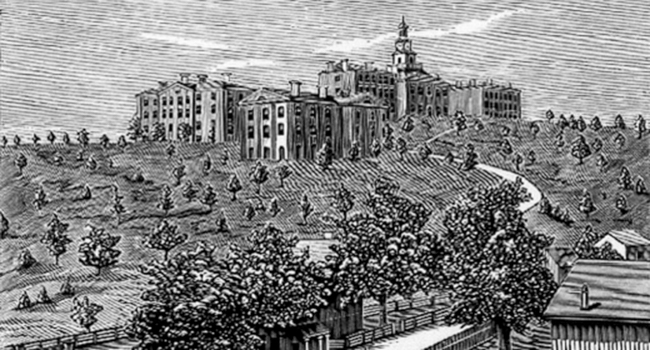
The Gartly-Ramsay Hospital opened on Jackson Avenue in 1910, another of the small private hospitals that characterized early-twentieth-century Memphis medicine. Like St. Joseph’s before it and Baptist Memorial shortly after, Gartly-Ramsay reflected the era’s shift from home care and boarding-house infirmaries toward dedicated hospital buildings with professional staff and formal administration.
1910-1914 | Dr. Goltman Takes On Tuberculosis and Contaminated Milk
A public health director fought two of the deadliest enemies of his day — and won legislation that saved untold lives.
As superintendent of the Memphis Health Department, Dr. Max Goltman led the fight for pasteurization — and against two of the era’s deadliest infectious diseases.
Until the pasteurization era, contaminated milk was a common source of gastrointestinal illness and could transmit tuberculosis directly from infected cows to people. The stakes were especially high for infants and young children, for whom milk was often the primary food — and for whom bovine tuberculosis could be a death sentence.
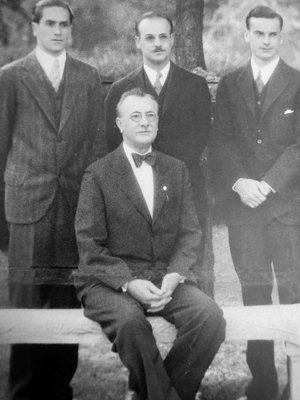
Goltman fought to change that, building coalitions with city officials, dairy farmers, and fellow physicians to push pasteurization from a novel idea to standard practice. By the end of his tenure, the rules had shifted. Milk sold in Memphis had to be pasteurized, and a quiet but measurable decline in childhood illness followed.
Goltman’s work on tuberculosis ran parallel to his milk-pasteurization fight. He pushed for better case reporting, for dedicated tuberculosis hospitals, and for the kind of public-health infrastructure that could identify infection and isolate it before it spread. His sons, raised in a household where medicine was understood as public service, all became physicians themselves. Two decades after leaving the Health Department, Dr. Goltman would himself serve as Memphis Medical Society president — and die in office, in 1934, bringing his public-health career full circle in a way he would not have chosen but which the Society honored as the mark of a life given entirely to the work.

1911 | UT College of Medicine Moves to Memphis
The arrival of UT College of Medicine would reshape Memphis’s medical landscape for the next century.
What had been one more medical college in a state with many became, in Memphis, the anchor institution of a growing academic medical center.

1911 | Dr. Campbell Builds the Department
Dr. Willis C. Campbell developed UT’s Department of Orthopedic Surgery — and started building an orthopedic dynasty.
Campbell’s influence would extend far beyond the university, leading directly to the Crippled Children’s Hospital School, the Hospital for Crippled Adults, and the Campbell Clinic. He served as Memphis Medical Society president in 1919.

1912 | Dr. Semmes Comes Home
Dr. R. Eustace Semmes once said he spent many a Saturday evening ‘taking dents out of skulls.
After Johns Hopkins and a New York residency, Semmes returned to Memphis in 1912 as the city’s only neurosurgeon. The practice he started would eventually become Semmes-Murphey Clinic.
1912 | Baptist Memorial Opens
A 150-bed hospital that would one day be the largest privately-owned hospital in the nation. It started with a school of nursing and a mission.
Baptist Memorial Hospital opened with 150 beds and its own school of nursing — and would eventually become the largest privately owned hospital in the nation.
Founded in 1912 by Tennessee and Mississippi Baptists, the hospital opened with 150 beds and its own school of nursing.
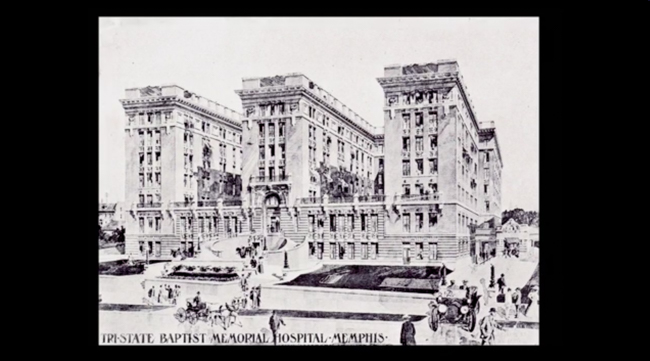
From the start, it reflected a particular vision of Baptist medicine: high-quality care anchored in a religious mission, serving patients across social and economic lines, training the next generation of medical professionals under the same roof where they would practice. The nursing school in particular would become a pipeline for women who sought a professional career in healthcare at a time when few other paths were open to them.
Baptist grew quickly across the twentieth century, opening specialty wings, adding buildings, and eventually operating as one of the largest hospital systems in the nation. Its Madison Campus would anchor the Medical District alongside Methodist, the University of Tennessee, and Campbell Clinic — the four institutions that together defined Memphis medicine for most of the twentieth century. The Madison Campus closed in 2000, but by then Baptist Memorial East had become the system’s flagship, and Baptist Memorial Health Care had expanded into a regional system operating 22 hospitals and numerous clinics across Tennessee, Mississippi, and Arkansas — all descended from the single 150-bed hospital that opened on Madison Avenue in 1912.
1912-1913 | A Flood and Its Mosquitoes
Massive flooding of the Mississippi River displaced thousands and produced swarms of disease-carrying mosquitoes.
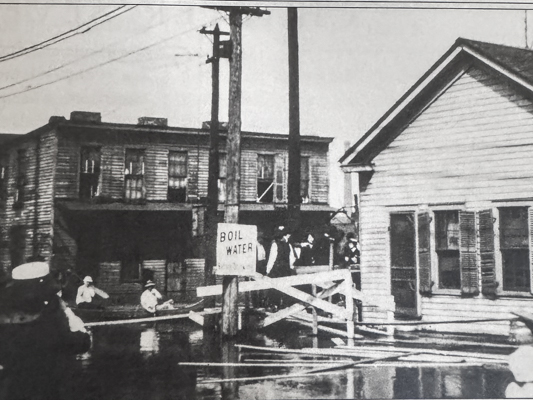
Memphis physicians were kept busy — treating malaria, urging residents to boil water, and managing the public health consequences of a changing river.
1913 | The First Woman to Graduate UT Medicine
Sara Conners York graduated at the top of her class — the first woman to graduate from the UT College of Medicine.
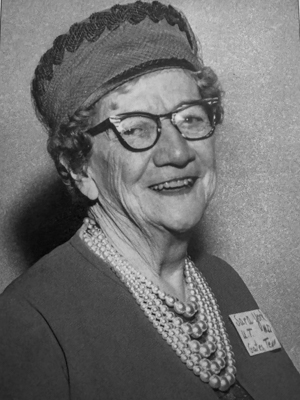
She went on to intern at Baptist Memorial (another first) and several other local hospitals before practicing in her hometown of Ripley.
1917 | Hospital Unit P Ships Out
When America entered the Great War, Memphis medicine mobilized — shipping entire hospital units overseas.
Dr. Battle Malone organized the Memphis General Hospital Red Cross Unit — designated Hospital Unit P, the first Southern unit to serve overseas.
Hospital Unit P was followed by others: Base Hospital 57 in Paris, staffed by UT College of Medicine faculty and loaded with Memphis physicians and nurses, and the Tennessee Ambulance Company Number One, organized by Memphian Dr. J. Logan Morgan.
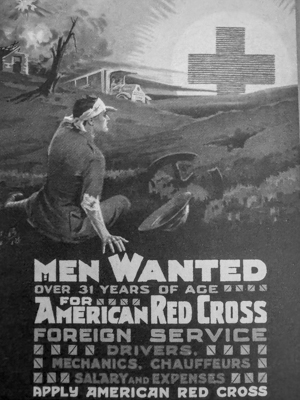
Morgan’s non-combatant drivers served as the EMTs of their day — racing across no-man’s-land under fire to evacuate the wounded to dressing stations and field hospitals. It was some of the most dangerous work of the war, and seven Memphis men from that unit were killed in action.
The scale of the Memphis medical mobilization reflected something specific about the city’s medical community on the eve of the Great War. Memphis was, by 1917, home to an established medical college, several major hospitals, and a network of physicians with the training and the institutional backing to send whole units overseas as coordinated teams. The war transformed many of them. Those who returned — Semmes, who performed neurosurgery and contracted the 1918 flu; Johnson, who learned plastic surgery from reconstructing the faces of wounded soldiers; Perkins, who ran surgery on moving trains — brought their wartime experience back to Memphis, where it seeded innovations in specialties from reconstructive surgery to rapid trauma response for the next generation.
1918 | Methodist Hospital Takes Shape
The United Methodist Church founded the institution that would become Methodist Le Bonheur Healthcare.
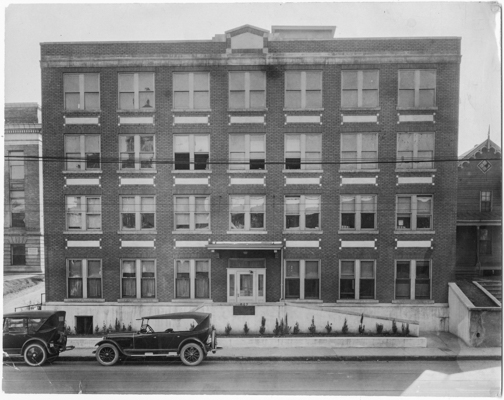
Though planning had begun in 1914, World War I delayed construction until 1921, when the hospital opened at its first location on Lamar Avenue.
1918 | Surgery on Rails
Memphian Dr. Percy A. Perkins led the 117th Sanitary Train — specialized train cars that served as operating rooms on rails.
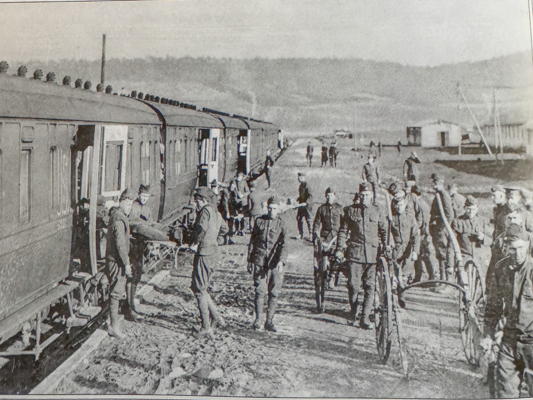
Assisted by Captain John R. Drake, also of Memphis, Perkins oversaw surgeries that began while patients were still in transit to field hospitals — an extraordinary innovation in wartime medicine, led from the Memphis medical community.
1918 | Plastic Surgery Is Born in the Trenches
Dr. Joseph E. Johnson limited his Memphis practice to plastic and cosmetic surgery — one of the earliest physicians in the country to do so.
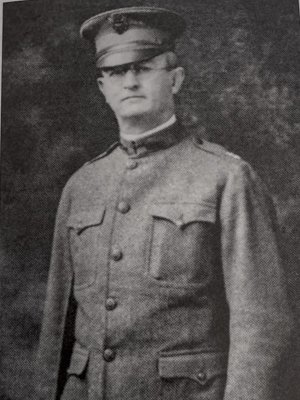
His national reputation would later draw Hollywood stars to Memphis, using techniques he had honed on terribly wounded soldiers during the war.
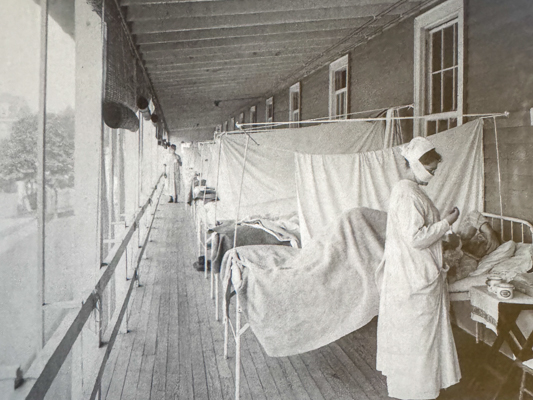
1918 | The Flu Reaches Memphis
The influenza ravaging WWI combatants reached Memphis in September 1918 — the first of four major flu epidemics between the World Wars.
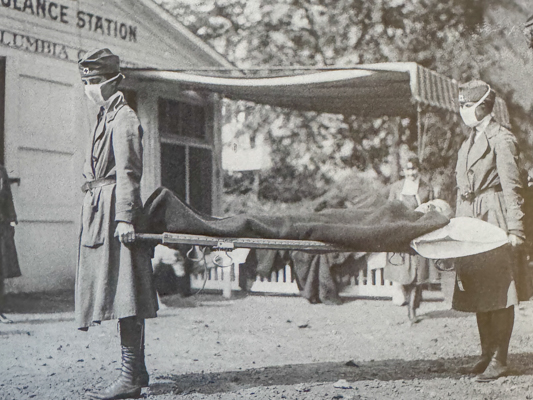
The 1918 flu showed 6,500 reported cases and 172 deaths in Memphis, though the real numbers were almost certainly higher. Dr. Raphael Eustace Semmes — the city’s only neurosurgeon — was among those who caught it, and survived against all odds.
1918 | Dr. Sage Is Killed at the Front
A Memphis physician was killed in action on the Western Front — one of the grimmest costs of the profession’s wartime service.
Dr. Hubert Sage became the first Memphis physician to die in World War I, killed when his operating unit was bombed.
Dr. Sage’s death in March 1918 was one of the grimmest costs Memphis medicine paid for the Great War. He was a member of one of the Memphis medical units that had shipped out to Europe in 1917 and 1918 — Hospital Unit P, Base Hospital 57, or the Tennessee Ambulance Company.
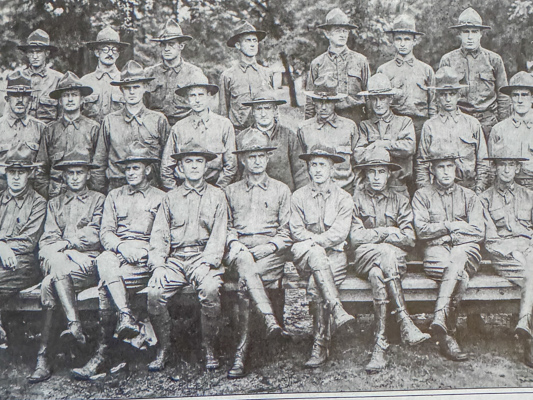
All of these units placed Memphis physicians and nurses in harm’s way at the Western Front. Sage’s unit was operating in the forward areas where the fighting was most intense and where medical personnel were vulnerable to artillery, gas, and small arms fire.
He was not the only Memphis physician to die in the war, and he was not the only member of his unit — seven men from the Tennessee Ambulance Company were killed in action, and other casualties mounted across the other medical units. The Memphis medical community that came home in 1918 and 1919 was smaller, sadder, and more experienced than the one that had left. The physicians who returned brought with them skills — in trauma surgery, reconstructive medicine, rapid triage — that would reshape Memphis medicine for the next generation. But they also brought the memory of colleagues who had not come home, and the recognition that organized medicine was capable of sacrificing its own in service of something bigger than itself.

The Medical District Is Born
The 1920s remade Memphis medicine physically. New hospitals opened. Specialty societies formed. Dr. Campbell opened the clinic that still bears his name. A young pathologist began a lifelong fight against sickle cell disease. And as physicians followed their patients east, a cluster of clinics and hospitals grew up along Madison Avenue — the beginning of what Memphians still call the Medical District a century later.
- Click to Expand
1920 | Dr. McGehee Comes Home a Leader
A Memphis physician returned from wartime service abroad to take up a national role in the organized medicine movement.
At the end of WWI, Dr. John Lucius McGehee, Jr., led maxillofacial surgery at General Pershing’s Base Camp.
Dr. McGehee returned to Memphis from wartime service in Europe with a reputation that extended beyond the city.
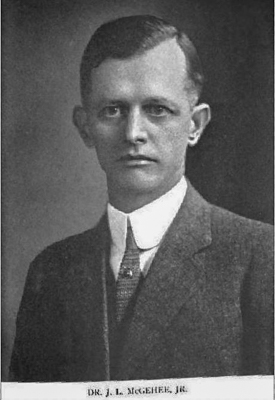
His experience in military medicine — working alongside physicians from across the United States and allied nations, under conditions that demanded rapid decision-making and extraordinary collaboration — had given him a perspective on the profession that few of his pre-war Memphis colleagues could match. That perspective positioned him for leadership in the organized medicine movement at a moment when American medicine was consolidating its institutional infrastructure.
McGehee would go on to play a significant role in the Memphis Medical Society and in the broader work of connecting Memphis medicine to the national conversation happening in the 1920s. The decade that followed his return would be transformative for American medicine — the rise of radiology and pathology as full specialties, the formalization of residency training, the growth of physician-owned specialty groups. McGehee was part of the cohort that translated those national developments into Memphis institutions, ensuring that the city’s profession kept pace with what was happening in New York, Chicago, and Boston.
1920 | The First ECG in Memphis
Dr. Neuton S. Stern founded Stern Cardiovascular — and introduced the first electrocardiograph machine to Memphis.
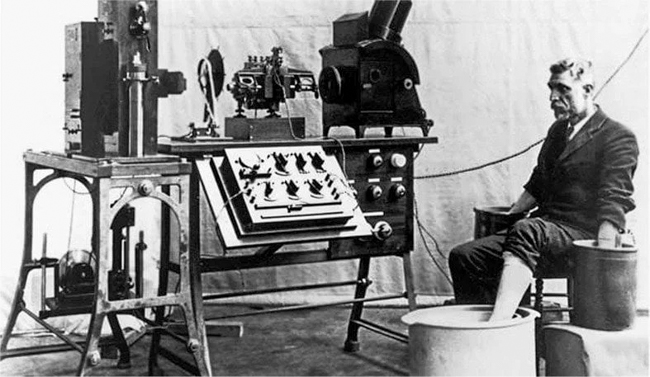
The electrocardiograph arrived in Memphis in 1920, bringing with it a new precision in cardiac diagnosis. The device, invented by Willem Einthoven two decades earlier, had moved from European research labs into American hospitals and was quickly becoming a standard tool. Memphis was an early adopter, another marker of how the city’s medical establishment was keeping pace with the emerging technologies reshaping twentieth-century medicine.
1920 | Dr. McElroy Chairs UT Medicine
Dr. James Bassett McElroy chaired UT’s Department of Medicine for two decades and was widely considered the most influential physician.
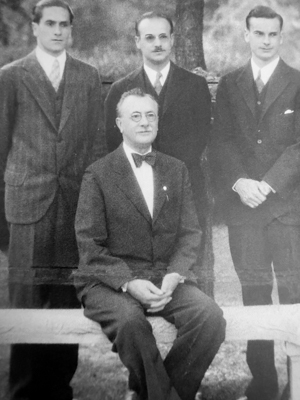
Dr. McElroy became chair of the UT College of Medicine in 1920, taking the reins of a young institution that had only been in Memphis since 1911. Under his leadership, UT Medicine continued building the academic infrastructure — faculty, curriculum, hospital affiliations — that would make the college one of the region’s leading medical schools for the rest of the twentieth century.
1920 | The Campbell Clinic Opens
A clinic in what was then considered ‘out East’ planted the seed of the Medical District — and of an orthopedic legacy that would span a century.
Dr. Willis C. Campbell opened the Campbell Clinic on Madison Avenue — planting the seed of what Memphians now call the Medical District.
Over the next several years, Campbell built an orthopedic empire. He had founded the Crippled Children’s Hospital and School in 1919, just before the Clinic opened; in 1923 he added the Hospital for Crippled Adults.
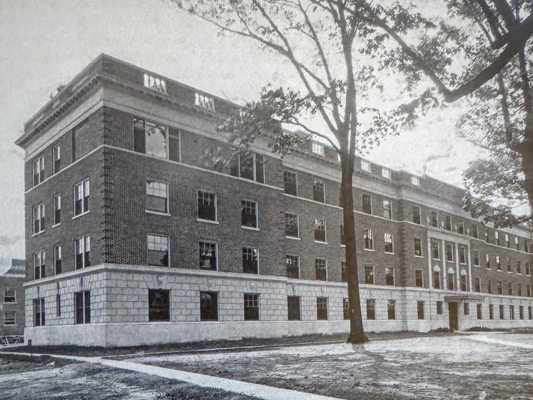
At both hospitals, families were treated at no cost — with Baptist Memorial providing surgical facilities and a network of Memphis philanthropists providing the funding. Children who would otherwise have been left permanently disabled by polio, congenital deformities, or infectious diseases received surgery and rehabilitation at a facility that would have been out of reach of their family’s resources anywhere else in the country.
The address at 869 Madison Avenue was, in 1920, considered ‘out East’ — a daring choice for a new medical facility. The Commercial Appeal wrote about ‘all the doctors moving out east’ in a 1921 article that captured the moment Memphis medicine began migrating away from downtown. It was all about following patients where they lived, and if Memphis does anything consistently, it’s watch as its affluence oozes slowly eastward. What Campbell planted on that lot in 1920 grew into what Memphians today call the Medical District — the cluster of hospitals, clinics, and UT’s academic medicine campus that still defines the eastern edge of downtown. Campbell himself would go on to publish a world-famous orthopedic textbook that is still revised and published under his name today, and he served as Memphis Medical Society president the year before his clinic opened.
1921 | Methodist Opens Its Doors
After years of construction delayed by World War I, Methodist Hospital opened on Lamar Avenue.
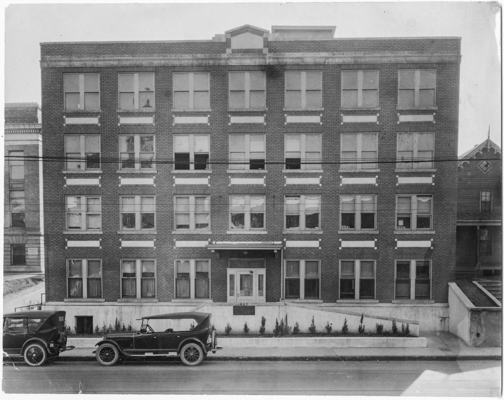
Methodist Hospital opened its doors in 1921, with construction completed after years of delay due to the First World War. Founded by the United Methodist Church, the hospital joined Baptist Memorial and St. Joseph’s as one of the city’s major religiously-affiliated institutions. Over the following decades, Methodist would grow into one of the defining systems of Memphis medicine — eventually merging with Le Bonheur in 1995 to form Methodist Le Bonheur Healthcare.
1921 | Oakville Opens for Tuberculosis Patients
The Oakville Memorial Sanitorium opened as part of a national effort to confront tuberculosis.
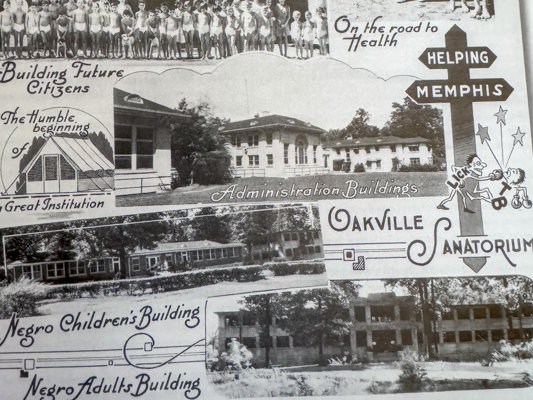
The Oakville Sanatorium opened in 1921 as a dedicated tuberculosis facility on the outskirts of Memphis. In an era before effective TB treatment, sanatoriums like Oakville offered patients rest, fresh air, and controlled environments — the standard of care at the time. The facility would shift its focus across the coming decades as chemotherapy began to transform tuberculosis treatment in the late 1940s, but its 1921 opening reflected the scale of the TB problem Memphis still faced.

1922 | Training the Technologists
Dr. Harry Christian Schmeisser began one of the first postgraduate medical technology programs in the country.
Housed in UT’s Department of Pathology, the program trained a new kind of medical professional — the technologist whose precision made modern diagnostic medicine possible.

1923 | The Journal Is Reborn
The Mississippi Valley Medical Monthly, renamed several times since 1881, became the Memphis Medical Journal.
The relaunched journal was now published under the sponsorship of the Memphis and Shelby County Medical Society, giving the region’s physicians a dedicated forum.

1924 | The Urological Society Organizes
Memphis’s urologists organized their own specialty society at Baptist Memorial Hospital.
Dr. George R. Livermore — a future MMS president (1927) — was elected the society’s first president. It was one of several specialty societies that formed in Memphis across the decade.
1926 | The First Integrated Hospital
From the day it opened, the Memphis Eye, Ear, Nose and Throat Hospital provided care for Black patients — making it Memphis’s first integrated hospital.
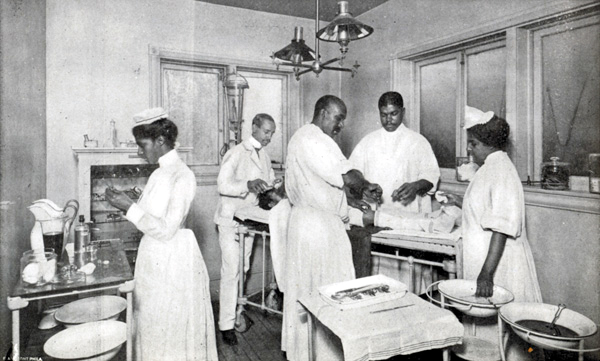
The hospital offered the only EENT residency program between St. Louis and New Orleans. A daily free clinic, staffed entirely by volunteer physicians, attracted patients from across the Mid-South. Dr. Louis Levy was the driving force behind its creation.
1926 | The Memphis Roentgen Society
Drs. Walter S. Lawrence and Charles Heacock organized a society for Memphis’s radiologists — an important moment in the history of the specialty.
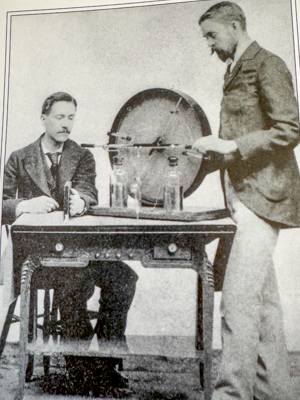
X-ray technology was still relatively new, and the city’s radiologists wanted a professional home of their own to advance the emerging field.
1927 | A Tribute to Dr. Haase
A quiet innovator who professionalized how Memphis hospitals operated — and whose name most patients would never learn.
The Marcus Haase Nurses Home at Memphis General Hospital was dedicated in 1927, a memorial to the physician who had built the city’s first hospital records department.
Dr. Haase had served for years as the hospital’s unpaid administrator — a role that, in the early twentieth century, was still largely invisible to the public but essential to the functioning of a modern hospital. He also implemented a systematic method for organizing and storing hospital records, establishing the first dedicated records department of any Memphis hospital.
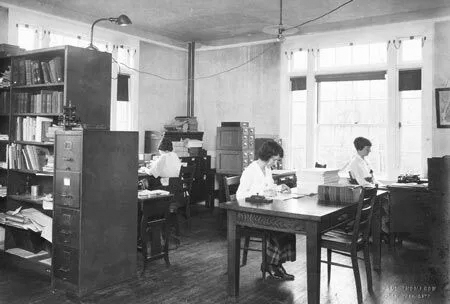
Before Haase, medical records were scattered, informal, and often lost; after him, they were cataloged, preserved, and accessible. It was the kind of unglamorous administrative innovation that transforms a hospital from a collection of beds into a functioning institution.
He died in 1924 from a streptococcus infection — a reminder of how dangerous bacterial infections still were in the era before antibiotics. The memorial nurses home dedicated in his name was a fitting tribute: a building for the people who, like Haase himself, did the daily work of care that patients often never notice. His quiet, behind-the-scenes work helped professionalize how Memphis hospitals operated, and the tribute paid to him three years after his death was a recognition that modern medicine depends as much on the administrators, record-keepers, and unsung organizers as it does on the physicians whose names patients remember.
1928 | The Physicians’ Office Building
Baptist Hospital opened the first doctors’ office building attached to a hospital anywhere in the nation.
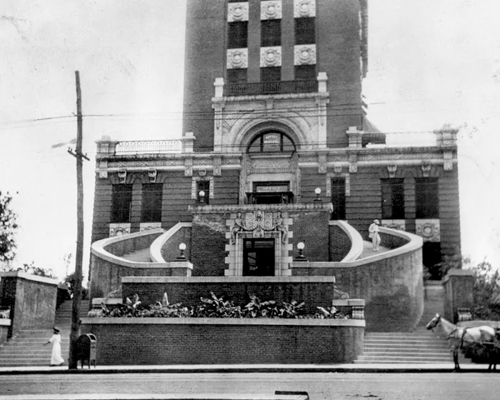
The innovation gave physicians a new way to practice — and set a template that hospitals around the country would follow.
1928 | The Obstetrical and Gynecological Society
Memphis organized its own OB-GYN society, decades after the city had already become an early hive of discovery in the specialty.
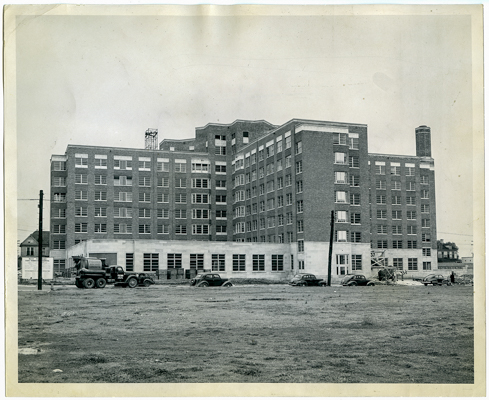
Dr. William T. Black was elected the Society’s first president. That same year, Black also organized and chaired the Southern Medical Association’s Section on Gynecology.
1928 | A Weapon Against the Mosquito
Not every person who improved Memphis medical outcomes was a physician. Some were engineers — like Col. Joseph Augustin LaPrince.
Federal engineers Col. Joseph Augustin LaPrince and Henry A. Johnson developed a compact spraying device that dramatically reduced mosquito populations.
LaPrince’s public health engineering work saved lives across the Mid-South and beyond — a reminder that some of the people who improved medical outcomes most were not physicians at all. The spraying device he co-developed with Johnson was deceptively simple: a compact, portable unit that could deliver insecticide to shoreline environments where mosquitoes bred.
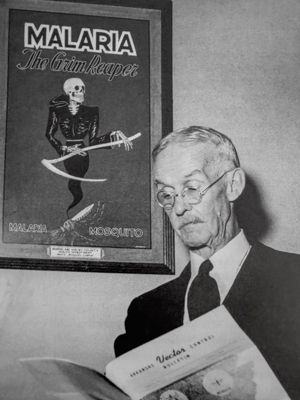
First tested on Reelfoot Lake, a notorious malarial area in northwest Tennessee, the device reduced mosquito populations — and with them, rates of malaria and other mosquito-borne illness — to levels that had been unthinkable a generation earlier.
LaPrince’s broader career spanned decades and extended far beyond this single invention. A federal engineer with a deep understanding of both vector biology and civil infrastructure, he worked on mosquito control efforts across the American South and in other countries. His approach combined engineering precision with public-health ambition: if you could understand the ecology of the mosquito, you could break the transmission chain of the disease. His work, alongside that of scientists like Lena Angevine Warner, helped build the foundation of modern vector-borne disease control — and reflected the quiet truth that in public health, who does the work matters less than whether the work gets done.
1928 | The Woman’s Auxiliary Forms
The Woman’s Auxiliary to the Memphis and Shelby County Medical Society were formed to strengthen connections with community.
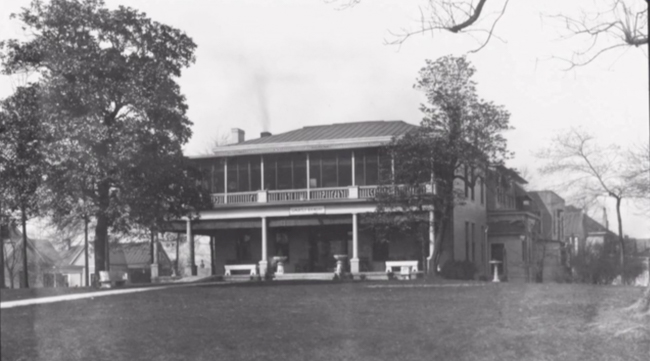
The Auxiliary would become a lasting fixture of Memphis medical life — eventually responsible for the historical collection that became the Pink Palace’s medical exhibit.
1929 | A Milestone for Pathology Education
Memphis had become one of a handful of American cities with a formal pathology training program like Schmeisser’s technologist school.
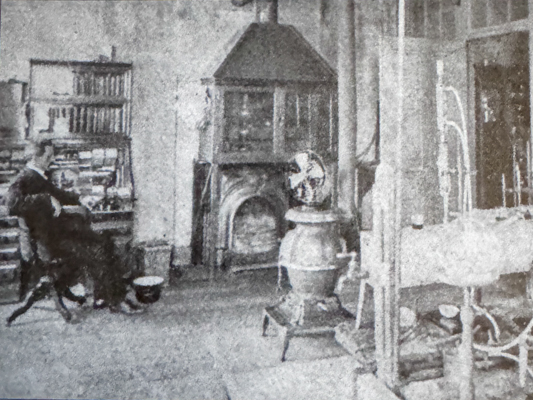
A decade of pathology infrastructure — specialty societies, training programs, and clinical practices — positioned Memphis for the breakthroughs in blood, sickle cell, and cancer diagnostics that would follow in the next four decades.
1929 | Dr. Diggs Arrives at UT
A young pathologist joined UT — and began a sixty-six-year career that would make Memphis a global center for sickle cell research.
Dr. Lemuel W. Diggs became professor of clinical pathology at the University of Tennessee — a position he would hold until 1969.
Diggs is today recognized as one of the key figures in the treatment of sickle cell anemia, a disease he encountered for the first time in the 1930s and devoted much of his career to studying. When he began his work, sickle cell was poorly understood, rarely discussed in mainstream medicine, and almost entirely unfunded for research.
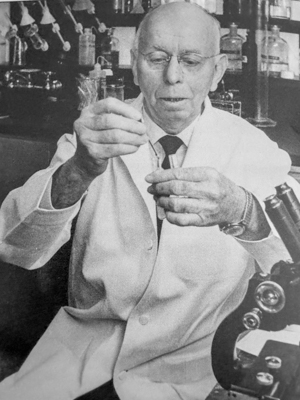
Diggs helped change all of that — publishing, teaching, and building the institutional relationships that would eventually make Memphis a global hub for sickle cell research. In 1958, he and colleagues Drs. Lorraine and Alfred Kraus would establish the Sickle Cell Center affiliated with the College of Medicine, at the time the only recognized center for the disease in the United States.
He also founded the Memphis Blood Bank, the first of its kind in the South — a facility that transformed blood transfusion from an emergency improvisation into a routine part of hospital care. Diggs remained active in medicine and research until his death in 1995, at the age of ninety-five. That meant more than six decades at UT, six decades spent teaching residents and students who would fan out across Memphis hospitals, and six decades during which sickle cell disease moved from medical obscurity to a recognized and actively-researched condition. When Memphis is named among the world’s leading centers for hematology and for sickle cell research, it is Diggs’s legacy that the name is built on.
The Great Depression and a Great Flood
The 1930s tested Memphis medicine as it had not been tested since the yellow fever years. The Great Depression brought breadlines to hospital kitchens. The 1937 flood brought 80,000 refugees to the city, and Memphis physicians rose to inoculate them. Two Society presidents died in office. And through it all, the institutions built in the previous decades — the hospitals, the clinics, the specialty societies — kept the city’s medical infrastructure standing.
- Click to Expand

Winter 1930–31 | The Great Depression Hits Memphis
Breadlines at the hospital kitchens. Eighteen city-supported clinics for mothers and children. The health director who built them was named Dr. L.M. Graves.
The crash had come in October 1929, but Memphis didn’t feel the crush until the winter of 1930
Jobless rural sharecroppers and laborers made their way into the city looking for work, and the infant death rate rose frighteningly. Suicide levels leapt. Disease and malnutrition spread through the poorer neighborhoods as families went without food, heat, and medical care.
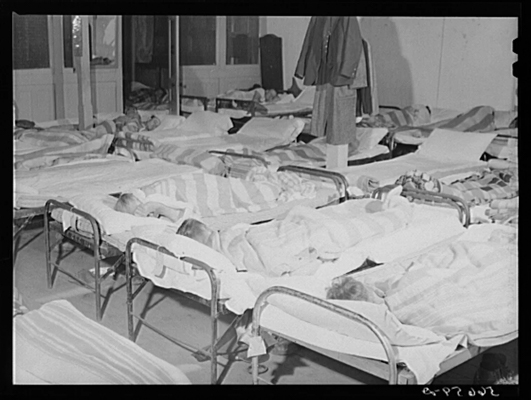
Memphis hospitals, already operating on thin margins, faced a patient population that could no longer pay — and some clinics folded under the weight of charity care that had no end in sight.
Health Department director Dr. L.M. Graves responded by organizing eighteen city-supported clinics in poor neighborhoods, specifically targeting mothers and children whose needs were most acute. It was public health medicine at its most practical: free vaccinations, free prenatal care, free well-child checkups, delivered through neighborhood clinics in the places where patients actually lived. Graves’s clinics kept infant mortality from spiraling even further and provided a template that would influence public-health outreach in Memphis for decades. The Depression tested Memphis medicine as nothing since yellow fever had — and the profession’s response, like the response in 1878, was to meet the crisis where it was and with whatever resources could be gathered.
1932 | The Tri-State Association Becomes Academic
The Tri-State Medical Association of Arkansas, Mississippi, and Tennessee was renamed the Mid-South Postgraduate Medical Assembly.
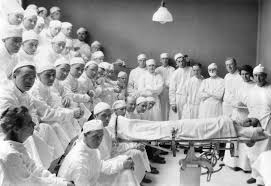
The new name reflected how the annual meetings had evolved over the years, developing a more academic focus and a role in continuing physician education.
1934 | Dr. Goltman Dies in Office
Society President Dr. Max Goltman died while serving in office and was replaced mid-year by Dr. Percy H. Wood.
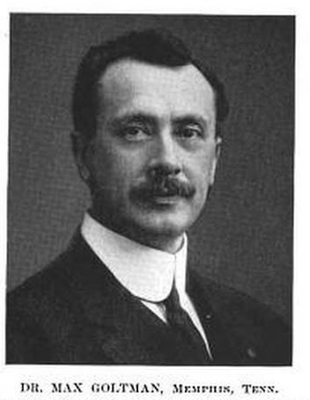
Goltman — who two decades earlier had fought for pasteurization legislation as Memphis Health Department superintendent — was the first of two Society presidents to die in office in the 1930s.
1934 | A Memphis Industry Is Born
A single orthopedic salesman with $1,000 started something that would put Memphis at the center of a global medical device industry.
Don Richards, a salesman for an Indiana-based orthopedic manufacturing company, founded Richards Manufacturing in Memphis.
Decades of growth and acquisitions led to the purchase of Smith & Nephew in 1987, transforming Richards Manufacturing into a major international player in orthopedic devices. In 1950, a Richards employee named Frank O. Wright left the company to found Wright Medical — another Memphis-based orthopedic manufacturer that would grow into a global brand in its own right.

Between them, Richards and Wright established Memphis as a hub for orthopedic device design and manufacture, a role the city still holds today, joined by companies like Medtronic that saw in Memphis an unusual concentration of orthopedic surgical expertise and engineering talent.
The orthopedic industry that grew up in Memphis in the twentieth century was not an accident. It grew up in the shadow of Campbell Clinic and the Crippled Children’s Hospital — institutions that had been operating for more than a decade by the time Richards founded his company, and that needed a local source of implants, instruments, and prostheses. The close relationship between Memphis orthopedic surgeons and Memphis medical-device manufacturers would produce invention after invention: Teflon stapes, artificial joints, spinal instruments. For the rest of the twentieth century and into the twenty-first, orthopedic medicine and orthopedic manufacturing in Memphis would grow up together.
1936 | The John Gaston Hospital Opens
A new hospital on Madison Avenue replaced the outdated Memphis General.
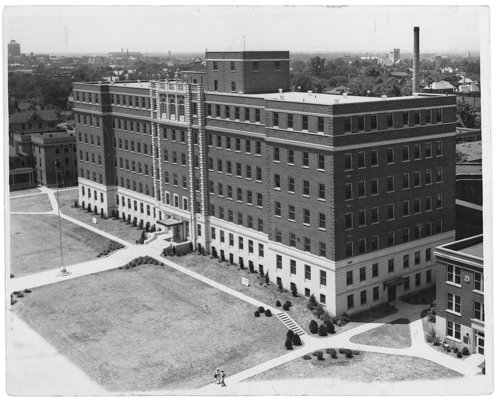
The project was jump-started by a $350,000 gift from the estate of John Gaston’s widow — a massive sum in 1936 — with city, county, and WPA funding bringing the total to $800,000.
1937 | Dr. Warr Dies in Office
Society President Dr. Otis S. Warr died while serving in the role.
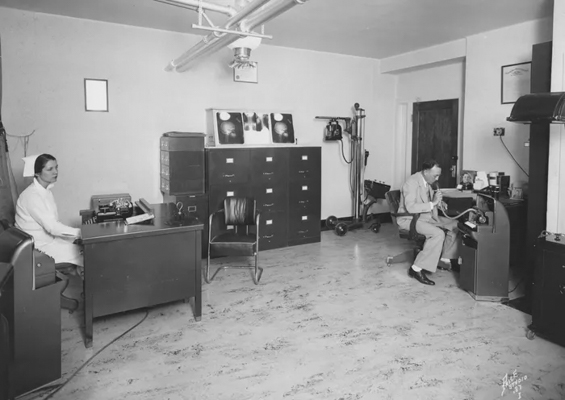
Dr. Otis S. Warr would be replaced by Dr. M. Wilson Searlight, Earlier that same year, Warr had led the Society’s response to catastrophic flooding — proof that the office of Society president had been real, practical work in a real crisis.
1937 | The Great Flood
When the Mississippi overflowed, Memphis became a refugee city of around 80,000 refugees — and the Memphis Medical Society mobilized to inoculate them.
The Memphis and Shelby County Medical Society, under Dr. Otis S. Warr, Sr., organized physician teams to care for them.
In addition to treatment, refugees were also inoculated against typhoid and smallpox — a large-scale public health operation run through the Society’s coordination. Thousands of displaced people were passing through makeshift shelters in schools, gymnasiums, and public buildings.
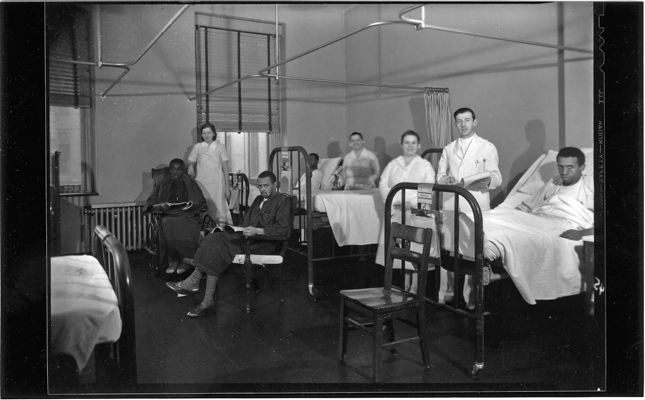
Without immediate, coordinated vaccination, an outbreak of either disease could have spread through the shelters and into the city in a matter of days. Memphis physicians mobilized to prevent it, volunteering time and supplies to a public-health effort that had no formal mechanism to pay them.
It was one of the clearest demonstrations of what organized medicine could accomplish in a crisis. Dr. Otis S. Warr, Sr. — the Society president who led the response — would die in office later that same year, replaced by Dr. M. Wilson Searlight. Warr’s death, like Goltman’s a few years before, was a reminder that the men who ran Memphis medicine in that era were doing it in the margins of active clinical careers. The flood response itself became a template: when a real crisis came to Memphis, the Memphis Medical Society was the organization that could, and would, coordinate the physician response. It was the same role the Society had played in 1878, and the same role it would play again in the decades to come, right up to the COVID-19 pandemic nearly a century later.
1938 | The Auxiliary Collects Medical History
The Society’s Woman’s Auxiliary began collecting objects of medical interest — a project that would eventually become the Pink Palace’s medical exhibit.
The collection was first exhibited at the Municipal Museum in Chickasaw Gardens, then in the 1970s moved to the Dr. John H. Erskine Health Department Library (Erskine was a former Society president), before becoming the Pink Palace exhibit familiar to generations of Memphians
1938 | Semmes-Murphey Is Established
The Semmes-Murphey Clinic was established — built on the neurosurgical foundation Dr. R. Eustace Semmes had been laying in Memphis since 1912.
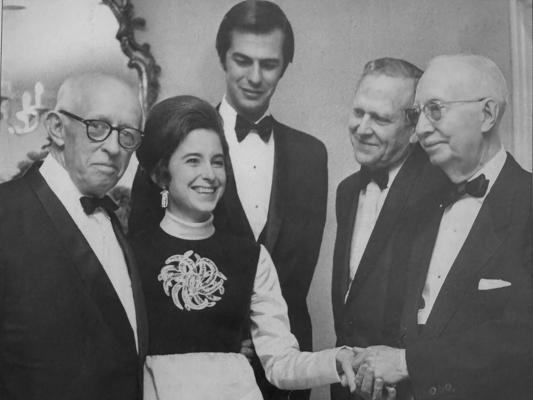
Semmes-Murphey would grow into one of the largest neurosurgical practices in the country, anchoring brain and spine care in the Mid-South for generations.

War, Chemotherapy, and the Atom
Memphis physicians served in a second World War. A new chemotherapy changed the battle against tuberculosis. A pathologist became the first director of the city’s Radioisotope Unit, opening a new chapter in nuclear medicine. And a generation of physicians came home ready to build what they had glimpsed in wartime: a medicine of specialties, institutions, and national ambition.
- Click to Expand
1945 | A Symposium on War Medicine
After World War II, the Society sponsored A Symposium on War Medicine and Surgery, publishing the papers in the Memphis Medical Journal.
Memphis physicians who had served overseas brought home new surgical techniques, new approaches to trauma, and a generation’s worth of experience that would reshape civilian medicine in the decades ahead.
1946 | The Society of Pathologists
Dr. Douglas H. Sprunt, chair of UT pathology from 1944 to 1968, organized the Memphis Society of Pathologists
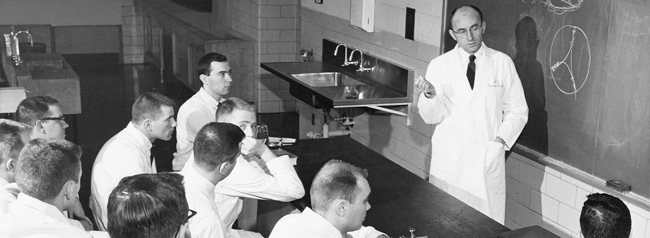
It was another in the long line of specialty societies that Memphis physicians formed to share knowledge, set standards, and advance their fields.
1948 | Chemotherapy Transforms the Fight Against TB
A disease that had haunted Memphis for a century finally began to retreat — thanks to a new weapon in the pharmaceutical arsenal.
The West Tennessee Chest Disease Hospital at Jefferson and Dunlap took over care of tuberculosis patients — and pioneered the use of chemotherapy to treat the disease.
The innovative use of chemotherapy greatly decreased the threat of tuberculosis. For the first time, patients who would have spent months or years in sanitariums — often dying there — had access to drug-based treatments that could actually clear the infection.
Streptomycin and the drugs that followed it transformed tuberculosis from a slow, often fatal wasting disease into a treatable condition. Places like the Oakville Sanatorium, built in 1921 to house patients with no other option, shifted their focus to other pulmonary problems as tuberculosis retreated.
The disease that had filled Memphis hospitals for half a century was, at last, beginning to yield. Tuberculosis had shaped the Memphis medical landscape since the 1890s — driving the opening of dedicated hospitals, shaping the careers of physicians like Dr. Max Goltman, and filling the beds of every sanatorium the city could build. By the end of the 1940s, that era was closing. The West Tennessee Chest Disease Hospital, which had been built to treat tuberculosis, would itself eventually change its focus as patient numbers declined. The transformation was gradual, but the direction was clear: chemotherapy had fundamentally altered what a tuberculosis diagnosis meant.
1948 | Nuclear Medicine Arrives in Memphis
Dr. Alys H. Lipscomb became the first director of UT’s Radioisotope Unit.
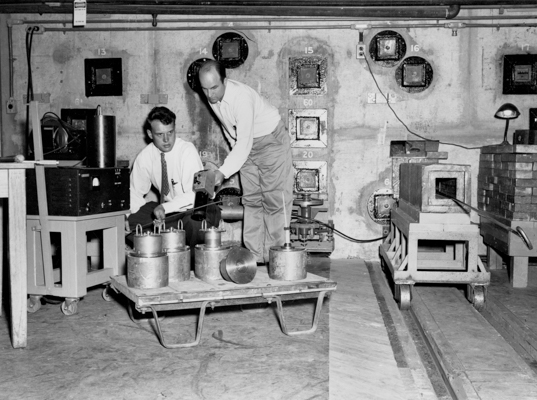
Dr. Lipscomb would be the first physician in Memphis to treat hyperthyroidism with iodine-131, and his work launched an entire new branch of Memphis medicine. The atom, just a few years after its military debut, was now a therapeutic tool in Memphis hospitals.
1948 | The Memphis Heart Association
Physicians and community members together founded the Memphis Heart Association.
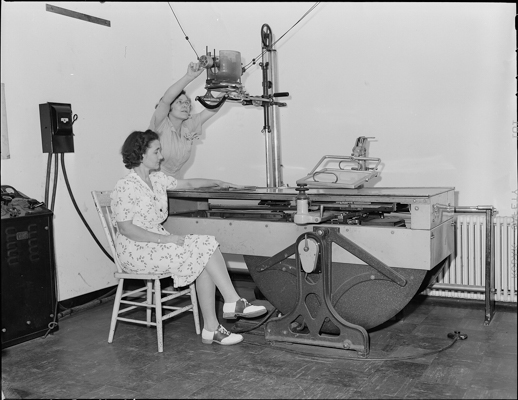
The Memphis Heart Association would help fight heart disease through research, equipment, and prevention.They raised money for x-ray machines, supplied an infant heart-lung machine to LeBonheur in 1961, and worked with the Health Department from 1967 to 1968 to scan schoolchildren for heart problems. Among its physician presidents: Dr. Otis S. Warr, who had also served as MMS president.
Polio, Pap Smears, and a Renaissance
The 1950s were the peak years of the polio epidemic — and Memphis physicians fought back from the Campbell Clinic, John Gaston Hospital, and the Isolation Hospital. The city saw its first private pathology lab. Its first purpose-built hospital for Black patients. Its first hospital for children. And in a Shelby County study that tested more than 100,000 women, Memphis pioneered the use of the Pap smear in mass cancer screening — work that would help reshape women’s health worldwide.
- Click to Expand

1950 | Les Passees Opens Its Treatment Center
More than 100,000 Shelby County women tested. 773 cancers detected. Memphis’s contribution to a technique that reshaped women’s health worldwide.
A women’s volunteer organization opened a treatment center for children with cerebral palsy — part of what would become a seven-decade commitment to community health.
Les Passees was a Memphis women’s charity organization that had been active since the 1920s, supporting children with disabilities and their families.
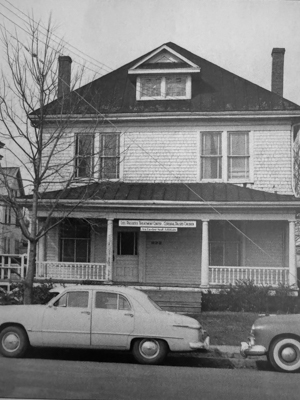
In 1950, the group opened a dedicated treatment center for children with cerebral palsy — a condition that, in the mid-twentieth century, still carried a stigma that often led to children being kept at home, institutionalized, or deprived of the physical therapy that could materially improve their lives. The Les Passees center represented a different approach: professional, rehabilitation-focused care, grounded in the belief that cerebral palsy did not define a child’s future.
The Les Passees model connected to a broader Memphis tradition of pediatric specialty care — one that reached back to Campbell Clinic’s crippled children’s hospital, forward to Le Bonheur’s founding in 1952, and eventually to the opening of St. Jude in 1962. What distinguished the Memphis approach was the combination of clinical excellence and civic philanthropy: the recognition that children with serious medical conditions needed institutions built specifically for them, and that those institutions could be funded through community fundraising rather than government allocation alone. Les Passees was one of the clearest examples of that model in action.
1950s | The Polio Years
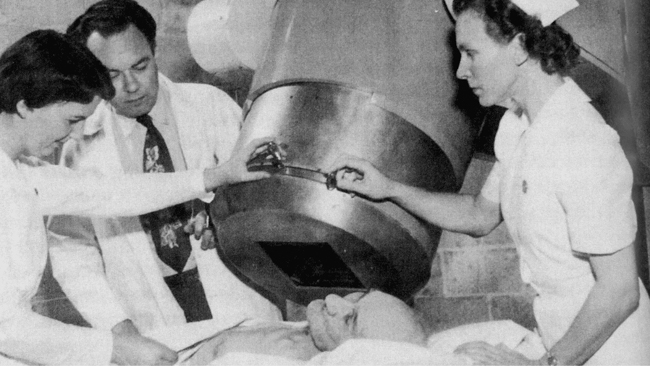
‘We had nothing we could do. The biggest problem was bulbar polio. We had to use a respirator, the old iron lung.’ — Dr. Alvin Ingram, Oral History Program, 1989
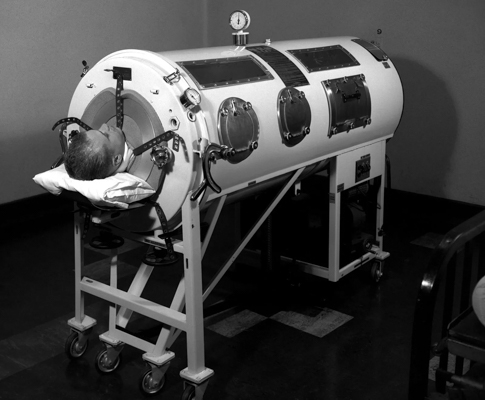
The 1950s were the height of the polio epidemic in the U.S., and Memphis was not spared. Dr. Alvin Ingram at Campbell Clinic and Dr. Gilbert Levy at John Gaston Hospital became key figures in the city’s response. They worked with the tools medicine had at the time — iron lungs for patients with bulbar polio, physical therapy and bracing for paralytic cases, long inpatient stays in isolation facilities. The arrival of the Salk vaccine in 1955 and the Sabin vaccine shortly after transformed polio from the defining fear of American childhood into a disease that would eventually be all but eliminated in the United States.
1950s | Dr. Bland Cannon at Baptist
Dr. Bland Cannon established a neurosurgery clinic at Baptist Memorial Hospital — and served as president of the National Congress of Neurological Surgeons and the Tennessee Medical Association.
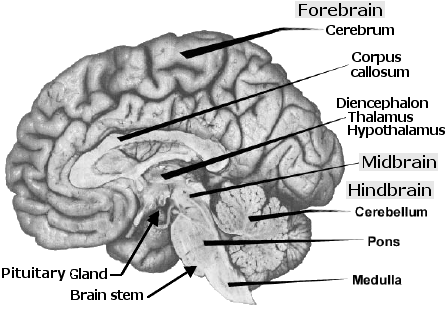
Dr. Bland Cannon established a neurosurgery clinic at Baptist Memorial Hospital in the mid-1950s. He would later serve as president of the national Congress of Neurological Surgeons and the Tennessee Medical Association. Cannon practiced at Baptist into the 1980s, another key figure in the neurosurgical tradition that Dr. R. Eustace Semmes had started in Memphis four decades earlier.
1951 | Memphis’s First Surgical Oncologist
Memphis got its first surgeon dedicated entirely to cancer — the beginning of what would become a major oncology tradition in the city.
Dr. Ralph Braund opened a clinic that would become the Van Vleet Center — and explored radiation treatment using isotopes from Oak Ridge National Laboratory.
In 1951, Memphis got its first surgeon dedicated entirely to cancer — a milestone that reflected the emerging recognition of surgical oncology as a distinct subspecialty rather than simply a branch of general surgery.
The shift was driven by a growing understanding of how cancer behaves: that successful treatment required not just technically excellent surgery but careful attention to staging, margins, lymph node involvement, and the coordination of surgery with radiation and emerging chemotherapy protocols. That combination of skills demanded specialization.
The arrival of a dedicated surgical oncologist in Memphis was part of what would become a much larger oncology tradition in the city. The Pap smear study of 1952 had already placed Memphis at the forefront of cervical cancer screening. Dr. Lemuel Diggs’s sickle cell work was expanding into related hematologic malignancies. St. Jude would open in 1962 with pediatric cancer as its focus. And by the 1970s, the West Clinic would emerge as one of the premier adult oncology practices in the Mid-South. The specialty career that began in 1951 was the first stone in what would become one of Memphis medicine’s defining traditions.

1951 | The Moss Pathology Laboratory
Dr. Thomas C. Moss established a private pathology lab that would eventually become part of the Baptist system.
Renamed Memphis Pathology Laboratory before its absorption by Baptist, the lab established private pathology as a viable Memphis institution.
1952 | A Life in the Iron Lung
Tennessean Diane Odell was placed in an iron lung at age three. She survived in it for 56 years.
Odell died on May 28, 2008, when the backup generator at her home failed during a power outage — a life lived inside the same machine Dr. Ingram had once described in his oral history.

1952 | Le Bonheur Is Founded
Le Bonheur was founded in 1952 — its original design was to be used as an orphanage.
The institution would evolve over decades into one of the most important pediatric hospitals in the Mid-South, eventually merging with Methodist Hospital to become Methodist Le Bonheur Healthcare.
1952 | Memphis Pioneers Mass Cancer Screening
More than 100,000 Shelby County women tested. 773 cancers detected. Memphis’s contribution to a technique that reshaped women’s health worldwide.
Dr. Douglas Sprunt, chair of pathology at the University of Tennessee, helped plan a study that became the first large-scale use of Dr. George Papanicolaou’s novel cervical smear.
Funded by the U.S. Public Health Service and conducted through the Public Health Services Cytology Laboratory — part of UT’s Cancer Center — the study was the first use of the Pap technique in mass screening at any significant scale. George Papanicolaou, the Greek-American pathologist whose name the test now carries, had spent decades developing and refining the cytological approach.
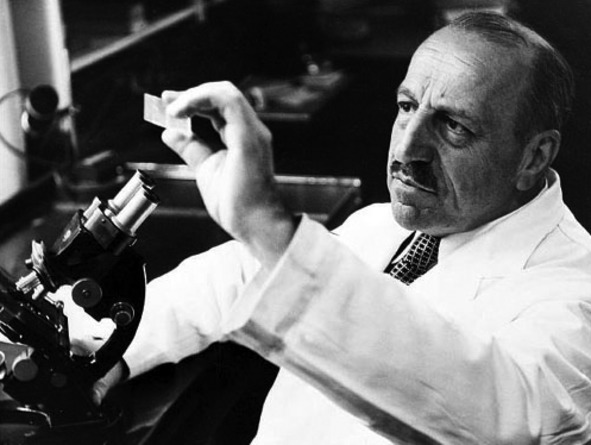
But until the Memphis study, no one had proven it could work as a population-level screening tool — testing thousands of women, many of whom had no symptoms at all, to catch cervical cancer before it became deadly.
After three and a half years, more than half of the women in Shelby County — over 100,000 — had been tested, with cancer detected in 773. The implications were immediate and sweeping. Cervical cancer, which had been a leading cause of death among women, could be identified in its earliest stages, when treatment was most effective. The Pap smear would go on to become one of the most important cancer screening tools of the twentieth century, and the Memphis study helped prove its value. Dr. Douglas Sprunt, the UT pathology chair who planned the study, had already been instrumental in organizing the Memphis Society of Pathologists six years earlier. His role in the Pap smear trial extended Memphis’s reputation as a city where pathology was not just practiced but advanced.
1952 | The Society Gets Its First Office
The first dedicated MMS office opened at 1363 Union Avenue, Apartment 11. The phone number had five digits: 7-3022.
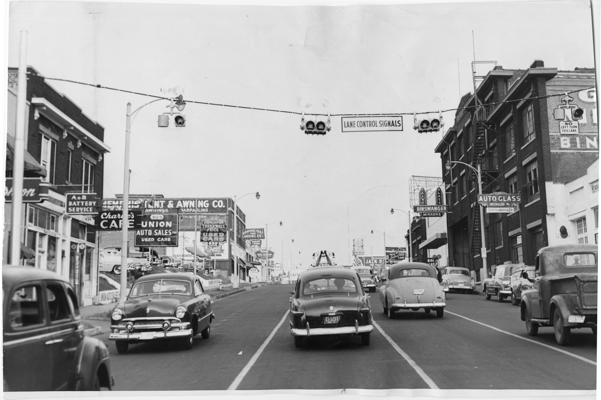
The same year, Robert C. Bird became the first full-time executive on staff at MMS. In 1956, Leslie Adams took over as executive secretary — a title soon changed to executive director — and served until 1979.
1956 | E.H. Crump Hospital Opens
A 128-bed hospital opened downtown to serve the Black community, with Dr. William S. Martin playing a central role.
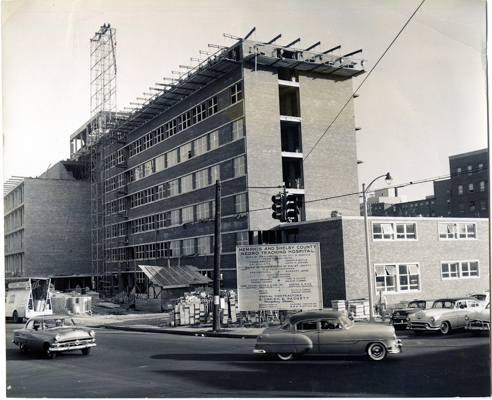
E.H. Crump Hospital became part of the MED in 1983. Martin — who had taken over Collins Chapel Hospital decades earlier — extended his long work to expand healthcare access for Black Memphians.
1956 | Dr. Shea’s Teflon Stapes
Dr. John J. Shea, Jr. performed the world’s first stapedectomy.
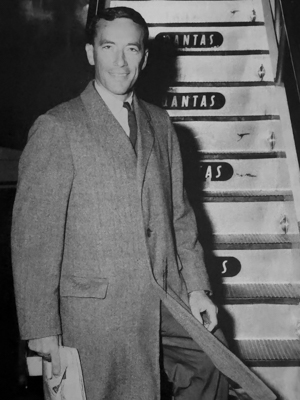
The operation replaced a hardened stapes — the tiny bone in the middle ear — with a Teflon prosthesis created by Harry Treace of Richards Medical. Shea went on to perform thousands of stapedectomies in the course of his career, helping restore hearing to patients who had lost it.
1957 | Tobey Children’s Hospital Opens
Memphis opened a dedicated children’s hospital — one of the first in the Mid-South.
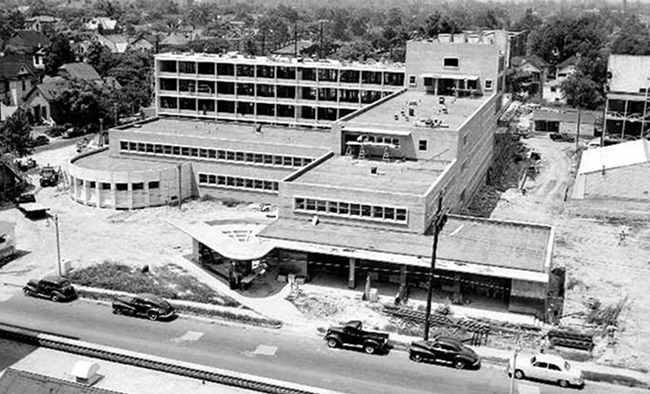
Tobey Children’s Hospital was part of a broader expansion of pediatric medicine in the city, a lineage that would lead to Le Bonheur and, eventually, to St. Jude.
1958 | The Sickle Cell Center
Dr. Lemuel Diggs had first encountered sickle cell disease in the 1930s. Thirty years later, he helped build the nation’s only dedicated center for it.
Dr. Diggs and colleagues Drs. Lorraine and Alfred Kraus established the Sickle Cell Center — affiliated with the College of Medicine, at the time the only recognized center for the disease in the United States.
When the Sickle Cell Center was established, sickle cell anemia was a disease in the medical margins. It affected predominantly Black patients, received little research funding, and was poorly understood even by many specialists.
The creation of a dedicated center, at a time when no other institution in the country had one, was a declaration that the disease deserved serious scientific attention. Drs. Diggs and the Kraus couple — Lorraine and Alfred — had spent years laying the groundwork, publishing research, treating patients, and building the scientific case that sickle cell was not an obscure curiosity but a major health crisis.
Memphis would remain a global center for sickle cell research from this point forward, a role that would eventually be reinforced by St. Jude Children’s Research Hospital after its founding in 1962. The Center’s establishment marked the moment when a disease that American medicine had largely ignored gained an institutional home, with dedicated clinical protocols, research funding, and a training pipeline for specialists. Dr. Diggs himself remained active in medicine and research until his death in 1995, at the age of 95 — more than six decades after he had first encountered the disease in the 1930s, and more than three decades after he had helped build the institution that would define the field.

A Hospital for Kids, A Society Integrated
Danny Thomas founded St. Jude in Memphis. Dr. Alvin Crawford became the first Black graduate of UT’s medical school. Dr. Clara Brawner broke another barrier as the first Black woman elected to the Memphis Medical Society. Congress passed Medicare and Medicaid — reshaping what hospitals could afford, and forcing the desegregation of any facility that wanted federal reimbursement. And a newborn center opened for babies whose families had been cut off from the city’s best care.
- Click to Expand

1960 | A Cuban Paratrooper at the Bay of Pigs
Dr. Roberto C. Heros immigrated from Cuba, was captured in the Bay of Pigs invasion, and spent two years as a POW.
After release, he studied at UTHSC and led his 1968 class. He later served as president of the American Academy of Neurological Surgeons — one of many physicians whose Memphis training launched national careers.

1960 | Baptist Computerizes Billing
A small-seeming first, but a significant one — an early signal of the data revolution that would transform American hospitals.
The West Tennessee Medical Association formed in January 1881, part of a wave of regional medical organizing that followed the yellow fever years.

1961 | Semmes-Murphey Incorporates
Four neurology physicians formally incorporated the Semmes-Murphey Clinic, building on the foundation Dr.Semmes laid.
The firm would grow into one of the largest neurosurgical practices in the country, anchoring brain and spine care in the Mid-South for generations.
1961 | Dr. Marion McClure Becomes a Member
Dr. Marion Dugdle McClure was elected to membership in the Memphis Medical Society.
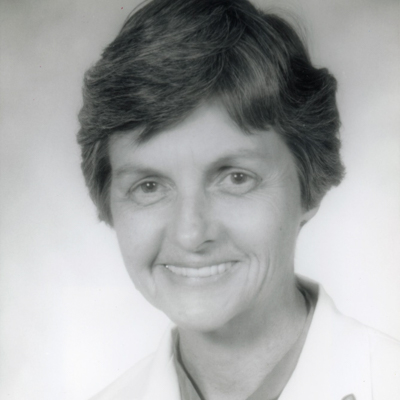
Dr. McClure would be part of a generation of women physicians who broke ground quietly across the era. Her long career in Memphis medicine would exemplify the steady expansion of the Society’s membership to reflect the full diversity of the profession.
1962 | The Memphis and Shelby County Medical Foundation
The Society formed a foundation to support medical philanthropy.
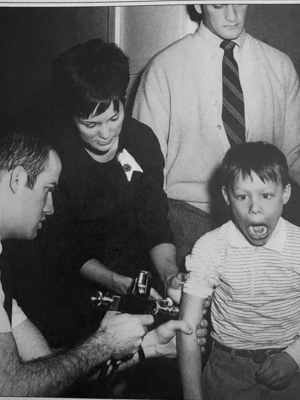
Its first project was focused on polio immunization. The Foundation would become the vehicle through which the Society channeled community-facing medical initiatives for decades to come.
1962 | St. Jude Children’s Research Hospital
A television star made a promise to a saint. Sixty years later, it would be one of the most renowned children’s research hospitals in the world.
St. Jude Children’s Research Hospital was established in Memphis by entertainer Danny Thomas — focused on children’s catastrophic diseases, particularly leukemia and other cancers.
Thomas had promised St. Jude — the patron saint of hopeless causes — that if he found success in his entertainment career, he would build a shrine in the saint’s name.
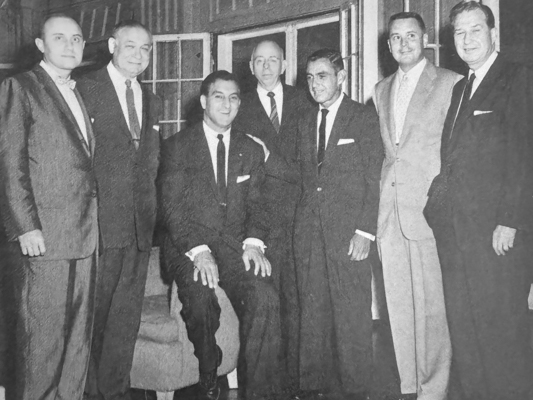
As his fame grew, the promise transformed into a vision of a children’s research hospital that would take on the diseases most often considered hopeless: pediatric leukemia, lymphoma, the range of childhood cancers that in the 1950s were nearly always fatal. Thomas chose Memphis in part because the city needed it — because in the South of the early 1960s, a pediatric hospital that would treat all children regardless of race was still a radical idea.
From its opening, St. Jude operated on a principle that has defined it ever since: no family ever receives a bill for the care their child receives. The institution’s research, clinical trials, and treatment protocols have reshaped pediatric cancer care worldwide. When St. Jude opened in 1962, the survival rate for the most common form of childhood leukemia was about 4 percent. Today it is more than 90 percent — a transformation that St. Jude’s physicians and scientists can claim a meaningful share of credit for. The hospital has become one of the most renowned children’s research institutions in the world, sending home the overwhelming majority of its young patients alive, and extending Memphis’s medical influence far beyond what the founders of the Memphis Medical Society could have imagined in 1876.
1962 | The Tennessee Psychiatric Hospital Opens
A new state hospital opened on Poplar Avenue, with an Alcohol Rehabilitation Research Center.
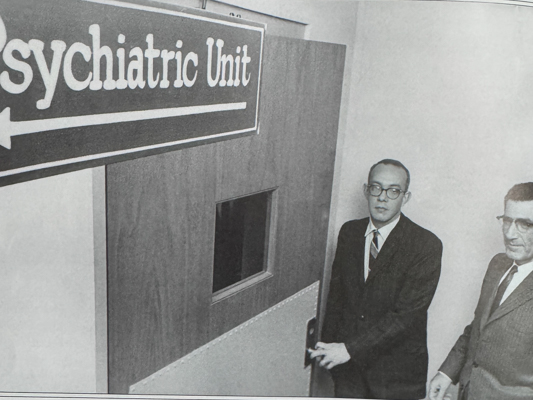
The center, the first of its kind in Tennessee, was recognized nationally for its rehab work in 1963. The hospital’s Children’s Unit opened in 1967.
1964 | Dr. Crawford Graduates UT
Dr. Alvin Crawford became the first Black medical graduate of the University of Tennessee.
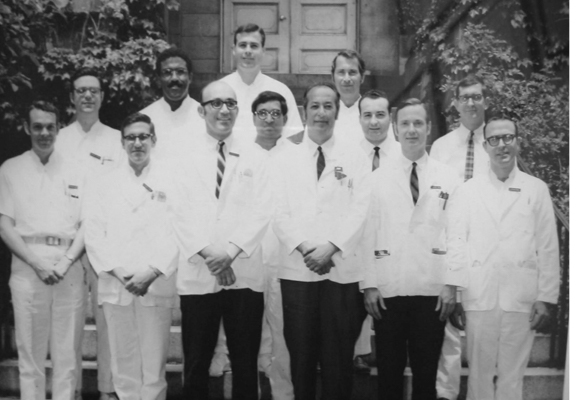
His graduation opened a door that had been closed to Black Memphians since UT Medicine had come to the city more than fifty years earlier.
1964 | Dr. Clara Brawner Joins the Society
A family physician, hospital administrator, political activist, and fundraiser — the only Black female physician in Memphis in the 1950s, now the Society’s newest member.
Dr. Clara Arena Brawner, the only Black female physician in Memphis in the 1950s, was elected to membership in the Memphis and Shelby County Medical Society.
Brawner practiced family medicine with an emphasis on pediatrics, and served on staff at St. Joseph, Baptist, and Collins Chapel Hospitals. Throughout the 1950s she had been the only Black female physician in Memphis — a distinction that speaks to how restrictive the medical profession had been for Black women and how unusual her accomplishment was.
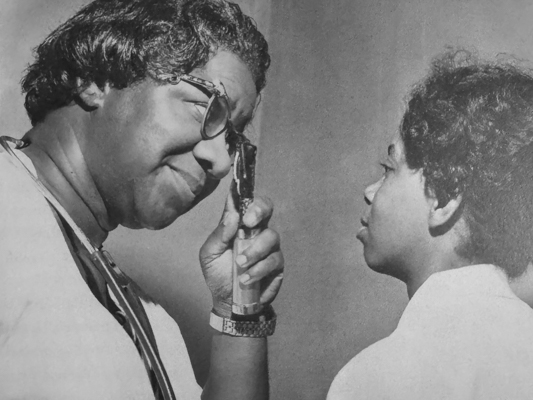
She was also a political activist, a hospital administrator, and a fundraiser for the causes she believed in. And she was a major figure at the Bluff City Medical Society, the professional home that Memphis’s Black physicians had founded in 1907 because the city’s established medical societies had refused to admit them.
Her election to the Memphis Medical Society in 1964 came the same year Dr. Alvin Crawford became the first Black graduate of the University of Tennessee College of Medicine. Both events reflected a broader, slow turning: the long, overdue integration of Memphis’s medical institutions was beginning, one individual at a time. Brawner’s election marked a turning point in how the Memphis Medical Society understood itself and who it was for. Four decades later, in 2004, Dr. Neal S. Beckford would become the Society’s first Black president — a milestone made possible by the path that Brawner and others had walked, and by the Bluff City Medical Society that had sustained Black Memphis physicians through the decades when the Memphis Medical Society’s doors were closed to them.
1965 | Medicare and Medicaid Pass
The Social Security Act Amendments created federal health insurance — and quietly forced the desegregation of American hospitals.
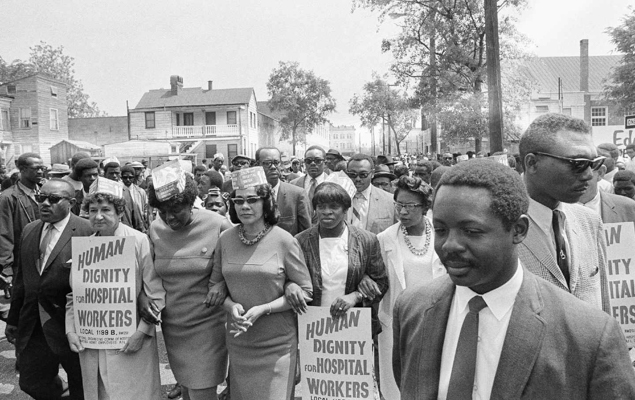
Congress passed Medicare and Medicaid in 1965, reshaping American healthcare financing in ways that would touch every hospital and every physician. For Memphis, the new programs meant that millions of elderly and low-income patients suddenly had coverage — and that hospitals receiving federal reimbursement had to desegregate. The combination of new funding and new civil-rights requirements transformed Memphis medicine in ways that would play out across the following decades.
1965 | William F. Bowld Hospital Opens
UT opened a 951 Court facility to serve as a teaching and research hospital for its faculty. It would remain in operation for nearly 40 years.
William F. Bowld Hospital opened in 1965 as the University of Tennessee’s teaching and research hospital. Bowld anchored UT’s expanding clinical footprint in Memphis, serving as the site for major surgical and research programs including the city’s first kidney transplant in 1970. The hospital would operate for nearly four decades before being demolished in 2004 as part of the Medical District’s ongoing transformation.

1965 | Dr. Stollerman Begins His Tenure
Dr. Gene H. Stollerman began chairing UT’s Department of Medicine, he spent years working on a Streptococcus vaccine.
Working with colleagues Drs. Edwin Beachy and James Dale, Stollerman led pioneering research on Group A Strep that shaped the field nationally.

1967 | A Pediatric First
Dr. James W. Pate became the first surgeon in the United States to implant an artificial valve in a pediatric patient.
Described in the Journal of Pediatrics that year, the procedure was one of many ways Pate broke new ground in cardiovascular care over his long Memphis career.

1967 | Duckworth Pathology Group
Dr. John Kelly Duckworth founded Duckworth Pathology Group — a Memphis practice that would leave a mark on the city.
A year after the school’s founding, Memphis had trained its first pharmacists locally — a small but meaningful step in building the broader medical workforce the city would need for the twentieth century.
1968 | The Newborn Center
A pediatrician who had seen the stark gap between affluent and lower-income care — and built a center to close it.
The Newborn Center at the City of Memphis Hospital opened in 1968, with Dr. Sheldon Korones as its first director.
Dr. Korones was acutely aware of the stark difference between the care available to affluent Memphians and the care available to lower-income families.
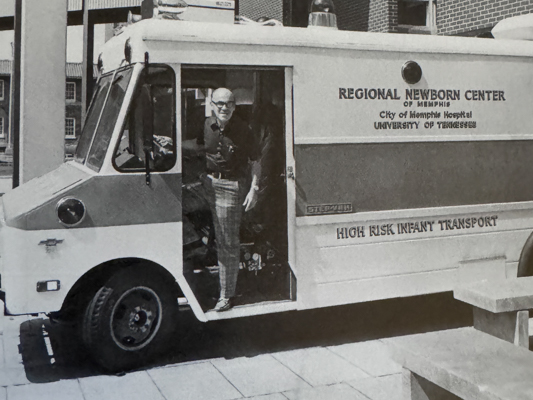
In the 1960s, neonatal medicine was still an emerging specialty, and the infants who benefited most from its rapid advances were disproportionately those born to families who could afford access to the hospitals where that care was developing. The babies who needed the care most — those born to poor or uninsured families, often at City of Memphis Hospital — frequently got the least. Korones set out to change that.
The Newborn Center was built to serve the babies whose families had been effectively cut off from Memphis’s best neonatal care, and it became one of the most important institutions of its kind in the region. Over the decades that followed, Korones became a national leader in neonatology, publishing research that shaped clinical practice, training generations of neonatologists, and building a center whose mission never drifted from its founding principle. His work extended a Memphis medical tradition — visible in Dr. Georgia Lee Patton in the 1890s, Dr. William S. Martin in the 1910s, Dr. Clara Brawner in the 1960s, and in many others — of combining clinical excellence with a commitment to reaching the patients that the rest of the medical system had not been built to serve.
1968 | Memphis’s First Retinal Subspecialist
Dr. David Meyer became Memphis’s first retinal subspecialist — and founded the Vitreoretinal Foundation
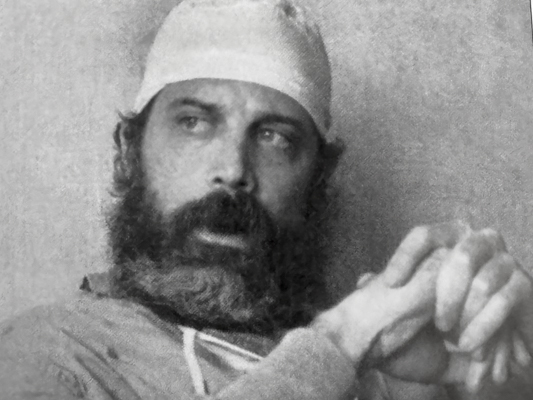
Meyer was a larger-than-life figure who innovated across his field. His foundation would become a cornerstone of Memphis ophthalmology and draw leading subspecialists to the city.
1969 | Dr. Lovejoy at Public Health
‘Retirement is the worst job I’ve ever had. I loved the practice of medicine.’ — Dr. George S. Lovejoy
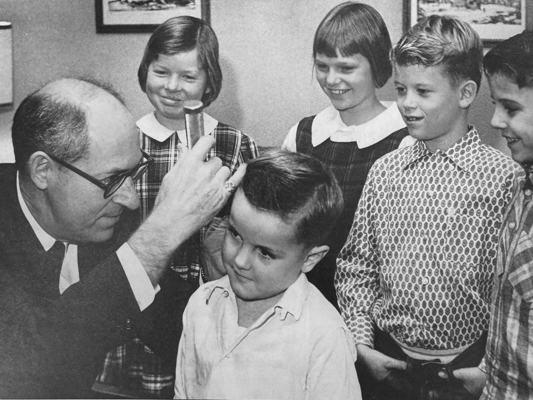
After decades treating thousands of Mid-South children — many at no cost through partnerships with schools and organizations like the Downtown Exchange Club — Lovejoy was named director of public health for Memphis, Shelby County, and Fayette County in 1969.
Transplants, Implants, and Malpractice
Memphis surgeons performed the city’s first kidney transplant, first hip replacement, and first laser cataract surgery. A new hospital opened east of downtown — the first outside the city core. The Mohs surgery program began training dermatologists from around the world. A Memphian became a NASA astronaut. And as a national malpractice crisis drove insurers out of the market, Tennessee physicians built their own mutual insurance company to keep the profession standing.
- Click to Expand

1970 | The First Kidney Transplant in Memphis
A transplant surgeon whose work at Bowld Hospital helped establish Memphis as a transplant medicine center for the next half-century.
Dr. Louis Britts performed the first kidney transplant in Memphis at Bowld Hospital — the beginning of transplant medicine in the city.
Dr. Louis Britts performed the procedure at Bowld Hospital, the University of Tennessee’s teaching and research hospital. Kidney transplantation in 1970 was still a relatively new surgery — the first successful human kidney transplant had only been performed in 1954, and the immunosuppressive drugs that made long-term success possible were still being refined.
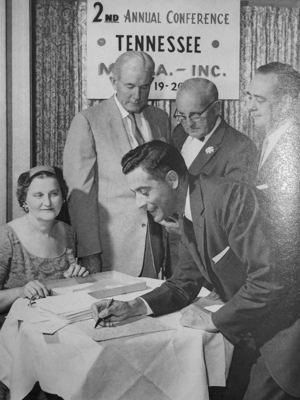
That Memphis, through UT’s Bowld Hospital, had the surgical expertise and institutional infrastructure to perform the procedure put the city among a small group of American medical centers capable of offering transplant medicine at all.
Britts would play an instrumental role in transplant surgery innovation throughout his career. What began with that single kidney transplant in 1970 grew, over the following decades, into a full transplant medicine infrastructure in Memphis — one that would eventually include the liver transplant programs at Methodist University Hospital directed by Dr. Osama Gaber, the pancreatic islet cell transplants Gaber’s team performed starting in 1995, and the bone marrow transplant programs at Baptist and Methodist that followed. By the time Steve Jobs selected Methodist University for his liver transplant in 2009, Memphis had become a transplant medicine center of national reputation — a role that traces directly back to the procedure Dr. Britts performed at Bowld Hospital on April 9, 1970.
1970 | The First Total Hip Replacement
Dr. Harold Boyd performed the first total hip replacement in Memphis at Campbell Clinic after studying the procedure.
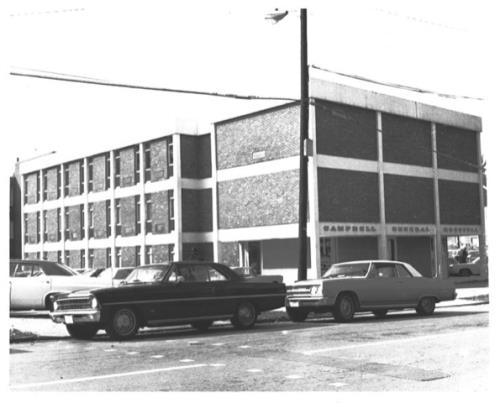
Dr. Boyd performed the procedure after studying with the procedure’s inventor, Sir John Charnley. Boyd retired in 1974, having created the hip replacement program at Campbell — the beginning of what would become a defining specialty for the clinic over the next half-century.
1973 | The Memphis Health Center Clinic
A federally qualified health center opened on E.H. Crump Boulevard to serve the Black community and provide a home for young Black physicians.
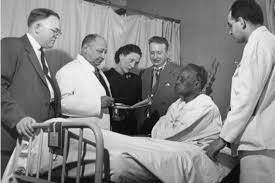
Drs. Clara Brawner and C.O. Daugherty were instrumental in its leadership — another chapter in Brawner’s long work at the intersection of medicine and community.

1973 | Certificate of Need Arrives
The Tennessee General Assembly created the Health Services Commission to administer a permit system for facilities.
Certificate of Need regulation would become a defining feature of how Tennessee hospitals and services could grow — for better and for worse.

1974 | The CAT Scan Arrives
Two of the first ten CAT scan units in the United States arrived in Memphis — one at Methodist, one at Baptist.
Methodist’s Bill Robinson and Baptist’s John Kersey had traveled to England together that year for a course on the new technology.

1974 | The First Lens Implant
Dr. Jerre Freeman performed the city’s first lens implant to treat cataracts improving eye health for patients.
He later co-founded Memphis Eye and Cataract Associates, and in the 1990s became the first in the region to perform laser vision correction surgery.
1974 | Mohs Surgery Training Begins
Memphis physicians became among the first in the region to train in Mohs micrographic surgery — a precision technique for treating skin cancer.
The University of Tennessee’s Mohs surgery training program became the first such program established in the South — and drew dermatology residents from around the world.
Mohs micrographic surgery — named for Dr. Frederic Mohs, who had developed the technique decades earlier — is a precision approach to removing skin cancers.
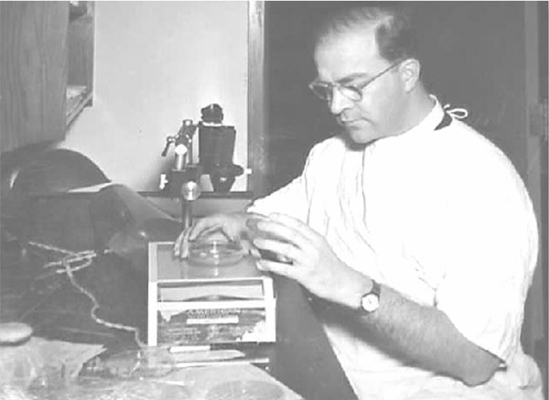
Rather than estimating how much tissue to remove and hoping the margins are clean, the surgeon removes the cancer in thin layers, each examined under a microscope in real time, stopping only when the tissue comes back clear. The technique preserves healthy skin while achieving cure rates approaching 99% for common skin cancers — but it requires specific training that, in 1974, was only available at a handful of American medical centers.
When Memphis physicians began training in Mohs surgery in 1974, they placed the city among a small group of regional centers offering this level of dermatologic care. The timing mattered: the rise of skin cancer in the United States was accelerating alongside the culture’s embrace of tanning and outdoor leisure, and the demand for precision skin cancer treatment would grow steadily across the following decades. Memphis dermatologists who trained in the Mohs technique in the 1970s laid the groundwork for what would become a robust dermatologic surgery practice across the Mid-South, serving patients who would otherwise have traveled to Nashville, Atlanta, or further afield for specialized care.
1974 | St. Joseph Opens East of Downtown
St. Joseph East Hospital was dedicated on land previously owned by Piggly Wiggly founder Clarence Saunders
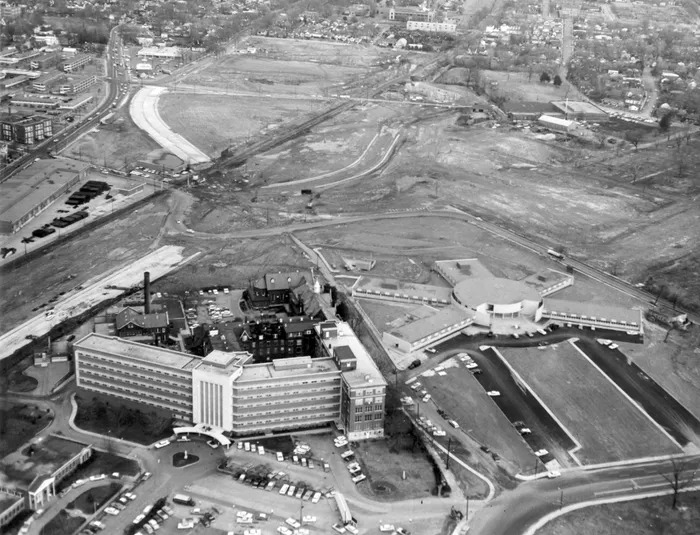
St. Francis Hospital opened in 1974 on land previously part of the Clarence Saunders estate. This was the first hospital outside of downtown Memphis. Sister M. Rita Schroeder was instrumental in the negotiations that brought the hospital to life, and the institution was renamed St. Francis in 1980 to honor the Sisters of St. Francis in Mishawaka, Indiana, who supported it. The opening marked the beginning of the suburban expansion of Memphis medicine — a trend that would accelerate through the 1980s and 1990s as Baptist, Methodist, and St. Joseph followed patients east from the Medical District.
1975 | Diaphranography and Breast Cancer Diagnosis
Dr. George Flinn, Jr. was one of only five physicians in the country using diaphranography, thermography, and ultrasonography together.
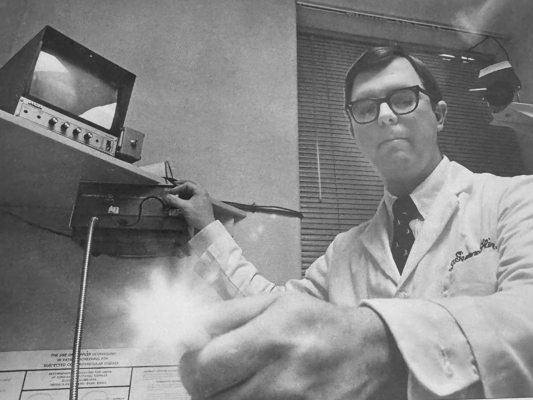
Diaphranography — a technique using light transmission to detect breast abnormalities — arrived in Memphis in 1975 as part of the growing arsenal of diagnostic tools in breast cancer detection. The technique was one of several approaches being developed in the 1970s to complement the mammography that would eventually become standard. Memphis physicians were among the early American adopters, continuing the city’s pattern of adopting emerging diagnostic technologies as they reached clinical viability.
1975-1976 | The Malpractice Crisis and SVMIC
Commercial insurers had abandoned medical malpractice coverage. Tennessee physicians responded by insuring themselves.
In response to escalating malpractice claims and judgments — and commercial insurers ceasing coverage — Tennessee physicians formed one of the first organizations in the nation created by physicians to insure their own medical liability risk.
Each physician who applied for insurance made a one-time contribution to raise the initial capital. By pooling their own money and spreading the risk across their own membership, Tennessee physicians built from scratch a mutual insurance company that could take on the very risks that commercial insurers had walked away from.
In May 1976, the State Volunteer Medical Insurance Company — SVMIC — was licensed by the state of Tennessee and wrote its first policy. It was a remarkable act of professional self-organization, made possible by the decades of institutional trust that Tennessee’s physicians had built through their county medical societies.
As a mutual company owned by its members rather than stockholders, SVMIC answered to physicians rather than to outside investors. That structure would prove foundational over the decades that followed. SVMIC grew into one of the largest physician-owned medical liability insurers in the country, expanding beyond Tennessee into multiple states and earning a national reputation for stability and physician-centered practice. The crisis that had threatened to break the profession became, instead, the moment when Tennessee physicians demonstrated something they had always claimed: that organized medicine could do more than defend its interests. It could, when necessary, build the institutions its members needed when the outside world failed to provide them.
1976 | Lakeside Behavioral Health
Lakeside Behavioral Health Systems was founded — for decades, one of the largest free-standing behavioral health hospitals in the country.

Lakeside Behavioral Health Systems was founded with a mission to provide accessible, comprehensive mental health care, growing over the decades into one of the largest free-standing behavioral health hospitals in the country. Its expansion reflects both rising demand for behavioral health services and a long-standing commitment to patient-centered treatment, supported by years of clinical experience and community impact.
1979 | A Memphian Becomes an Astronaut
Dr. Margaret Rhea Seddon, a Vanderbilt-trained physician with a research interest in nutrition in surgical patients, became a NASA astronaut.

She logged more than 722 hours in space aboard the Discovery and Columbia — one of the most extraordinary career paths any Memphis physician ever took.
1979 | The West Clinic Opens
A nationally respected oncologist and NIH lead investigator chose Memphis for a world-class cancer center.
Dr. William H. West opened the West Clinic in Memphis — a world-class cancer treatment and research center that would grow into one of the city’s defining cancer care institutions.
West was a nationally respected oncologist and lead investigator for the National Institutes of Health — credentials that could have taken him to any cancer center in the country. He chose Memphis, and the clinic he built became one of the city’s defining cancer care institutions across the following four decades.
From its earliest days, West Clinic combined clinical excellence with a research agenda that kept it connected to the forefront of oncology. Patients who came to West Clinic were treated by physicians who were not just following protocols but helping to write them.
Under the leadership of Drs. Lee Schwartzberg and Kurt Tauer in the 2000s, the West Clinic would become one of the first clinics in the country to add advanced diagnostic equipment to an outpatient setting — a move that changed how cancer care was delivered, shifting imaging and lab work out of hospitals and into the clinic where patients already were. The clinic’s growth paralleled a broader Memphis trend in oncology: the University of Tennessee Cancer Institute, the Jones Clinic, the Mid-South Cancer Center, and the Boston Baskin Group would all emerge or expand in the following decades. Together they built a Memphis oncology infrastructure that placed the city among the more significant regional cancer care centers in the country.
1979 | Baptist Memorial East Opens
Baptist Memorial Hospital opened east of downtown — the biggest chunk of the Baptist system since the closure of its Madison Campus in 2000.
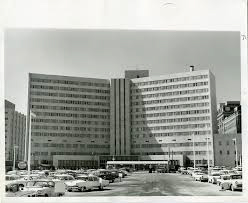
Baptist Memorial Health Care today operates 22 hospitals and numerous clinics across Tennessee, Mississippi, and Arkansas — a regional footprint that began with the 1912 opening of a single hospital on Madison Avenue.
1979 | John Westenberger Joins MMS
John Westenberger served as MMS executive director and executive vice president from 1979 to 1985
His tenure bridged the transition from the Adams era to the Cates era, which would define MMS operations for the next three decades.

Specialization, Technology, and the Rise of the Health System
Memphis pathologists became the first in the U.S. to identify the organism causing a Legionnaires’ disease outbreak while it was happening. Eye surgeons pioneered new techniques. The AMA lifted its ban on physician advertising, and Memphis hospitals began morphing into the healthcare systems we know today. Bone marrow transplants arrived. Endoscopic sinus surgery arrived. And Dr. Scott Morris came to Memphis from Emory and Yale to start a clinic for the working poor.
- Click to Expand
1980 | Identifying Legionnaires’ in Real Time
Baptist microbiologists solved a live outbreak — the first U.S. team to isolate the Legionella organism while people were still falling ill.
Baptist microbiologists became the first in the United States to isolate and identify the organism causing a Legionnaires’ disease outbreak — while the outbreak was still happening.
Dr. Richard Kelley and Wilton Rightsel led the work on what was then a mysterious form of pneumonia, first identified only a few years earlier when the bacterium now known as Legionella pneumophila sickened attendees of an American Legion convention in Philadelphia.
When a Memphis outbreak began, patients started showing up at Baptist with severe pneumonia that did not respond to standard antibiotics. Without knowing exactly what they were dealing with, Kelley and Rightsel ran the laboratory work that identified the organism in real time — while the outbreak was still unfolding.
Real-time identification of a novel infectious agent is difficult under any circumstances and extraordinary when done at a community hospital rather than a federal research lab. Their achievement was a reminder that Memphis laboratory medicine could match anything in the country when a crisis demanded it — and that the pathology infrastructure Memphis had been building since Dr. Lemuel Diggs arrived at UT in 1929 had produced a generation of microbiologists and pathologists whose work could, at a moment’s notice, rise to the level of national significance. The outbreak was contained, the organism was characterized, and the diagnostic protocols refined in Memphis helped inform how hospitals across the country would respond to Legionella outbreaks in the years that followed.
1980s | An Eye-Surgery Explosion
Two Memphis practices — the Vitreoretinal Foundation and Memphis Eye and Cataract Associates.
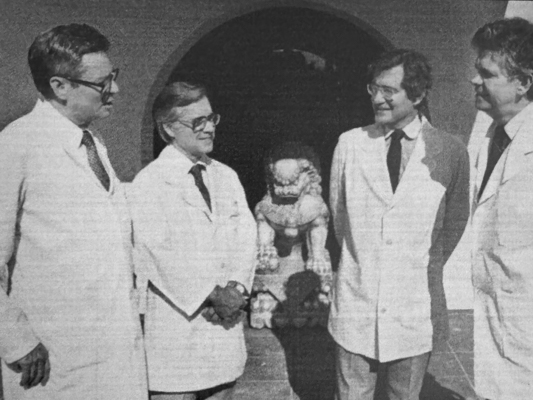
The 1980s saw an explosion of advances in eye surgery — intraocular lens implants, keratorefractive procedures, new techniques for cataract surgery — and Memphis ophthalmologists were among the early adopters of nearly all of them. The decade set the stage for what would become the Hamilton Eye Institute at UT in the 2000s, placing Memphis among the country’s significant centers for ophthalmic care and training.
1980s | Dr. Scott Morris Chooses Memphis
Dr. Scott Morris chose Memphis for his clinic after earning an M.D. from Emory and a master’s in divinity from Yale
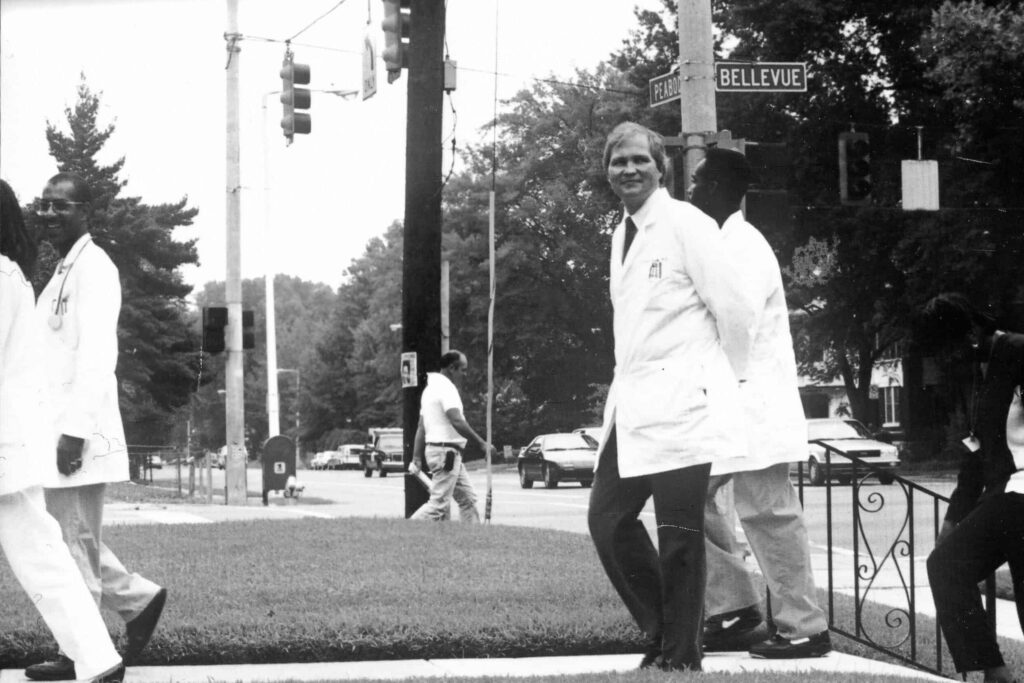
Dr. Scott Morris arrived in Memphis in the 1980s with credentials — an M.D. from Emory, a master’s in divinity from Yale — that could have taken him to a comfortable practice in any major American city. He chose Memphis specifically for its high poverty rate and its large population of working poor without access to healthcare. The clinic he founded, which would grow into the Church Health Center, became one of the country’s largest faith-based providers of healthcare to the working uninsured — a model that combined sliding-scale medical care with attention to the spiritual and social dimensions of health.
1981 | Baptist Becomes a ‘Healthcare System’
Baptist Memorial Hospital reorganized itself as a ‘healthcare system’ — a corporate and philosophical shift that would reshape Memphis medicine for decades.
Baptist became the first in the region to adopt the ‘healthcare system’ approach — becoming Baptist Healthcare System, Inc.
In 1981, Baptist Memorial Hospital formally reorganized itself as Baptist Memorial Health Care — a ‘healthcare system’ rather than a single hospital. The change was not merely administrative. It reflected a broader shift in how American hospitals were thinking about themselves in the early 1980s, as regulatory pressure, reimbursement complexity, and the emergence of managed care pushed institutions to consolidate, expand, and diversify.
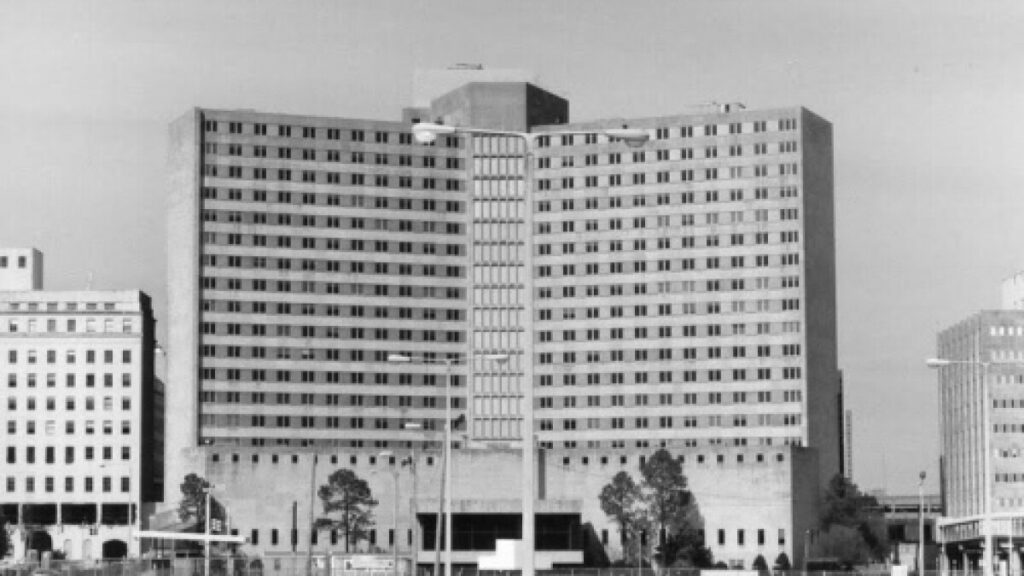
A hospital that operated as a system, with multiple locations, a coordinated strategic plan, and a single brand, could negotiate more effectively with insurers, deploy capital more flexibly, and serve a broader regional patient base.
For Baptist specifically, the 1981 restructuring opened the door to the aggressive regional growth that would define its next four decades. Baptist Memorial East had opened in 1979; new satellite locations followed across the 1980s and 1990s in Tennessee, Mississippi, and Arkansas. By the early 2000s, Baptist Memorial Health Care would operate 22 hospitals across three states — a far larger footprint than anything the 1912 founders on Madison Avenue could have imagined. The 1981 reorganization was the formal beginning of that expansion, a corporate and philosophical shift that changed what Baptist was, and in many ways what Memphis medicine was.

1982 | The AMA Lifts Its Advertising Ban
The AMA lifted its ban on physician advertising — and hospitals morphed into the healthcare systems we know today.
What had been a profession governed by strict norms around self-promotion became an industry competing for patients in public.

1982 | NMR Arrives — Then Gets Renamed
UT and Baptist operated a nuclear magnet resonance imaging (NMR) unit. The name soon changed to MRI.
‘Nuclear’ was dropped to reassure patients. MRI has since become one of the defining imaging technologies of modern medicine.

1984 | The Pink Palace Exhibit
The Medical Auxiliary opened an exhibit at the Pink Palace depicting a century of Memphis healthcare.
The exhibit covered 1830–1930, raised more than $230,000, and collected more than 3,000 artifacts — led by Ruth Crenshaw. It coincided with the publication of Patricia M. Lapointe’s From Saddlebags to Science.
1985 | The First Endoscopic Sinus Surgery
A Memphis otolaryngologist performed one of the region’s first endoscopic sinus surgeries — a minimally invasive technique that would become a new standard.
Dr. B. Manrin Rains, III performed the first endoscopic sinus surgery in Memphis — and later devised a new protocol using itraconazole to treat fungal infection.
Before endoscopic sinus surgery, chronic sinus disease had limited surgical options — mostly involving significant incisions, substantial recovery time, and imperfect results.
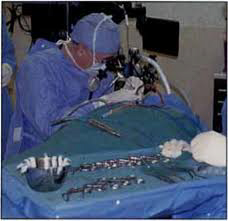
The endoscopic approach, developed largely in Austria and introduced to American medicine in the early 1980s, used narrow cameras and instruments passed through the nostrils to access the sinuses directly. The technique avoided external scarring, preserved healthy tissue, and allowed surgeons to target disease with a precision that open approaches could not match.
When a Memphis otolaryngologist performed one of the region’s first endoscopic sinus surgeries in 1985, the city joined an early wave of American medical centers adopting the technique. The procedure would transform how chronic sinusitis was treated across the following decades, becoming the standard approach for most cases and significantly improving outcomes for patients who had previously suffered for years. Memphis’s ENT tradition — reaching back to Dr. James L. Minor, who had opened the city’s first EENT practice in 1885 — continued its history of early adoption of specialized techniques. The 1985 surgery was one more data point in a Memphis story that had been building for a century.
1985 | Michael Cates Becomes Executive Director
Michael Cates became executive director of MMS and served in the role for more than 30 years.

Cates’s tenure spanned the transformation of American healthcare — from the rise of managed care through the Affordable Care Act — and he shaped the modern Memphis Medical Society.
1986 | The First Bone Marrow Transplant Center
Baptist physicians created the first adult bone marrow transplant center in the Mid-South.
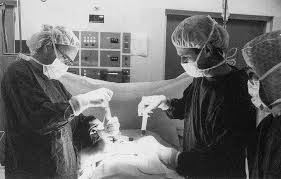
The center anchored a new era of cancer care in Memphis, built on the city’s decades of investment in specialty medicine and advanced facilities.
1986 | MemPac Forms
MemPac, a political action committee affiliated with MMS, was chartered — a formal vehicle for the Society’s advocacy voice.
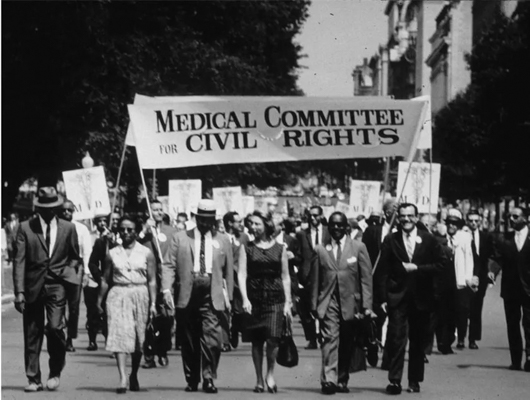
MemPac represented a maturing Society — one that recognized the need for an organized voice in the legislative processes that shaped how medicine was practiced.
1988 | MMS Moves to Cresthaven
Having outgrown its space, MMS moved to 1067 Cresthaven — a final move that would be the Society’s home into the 21st century.
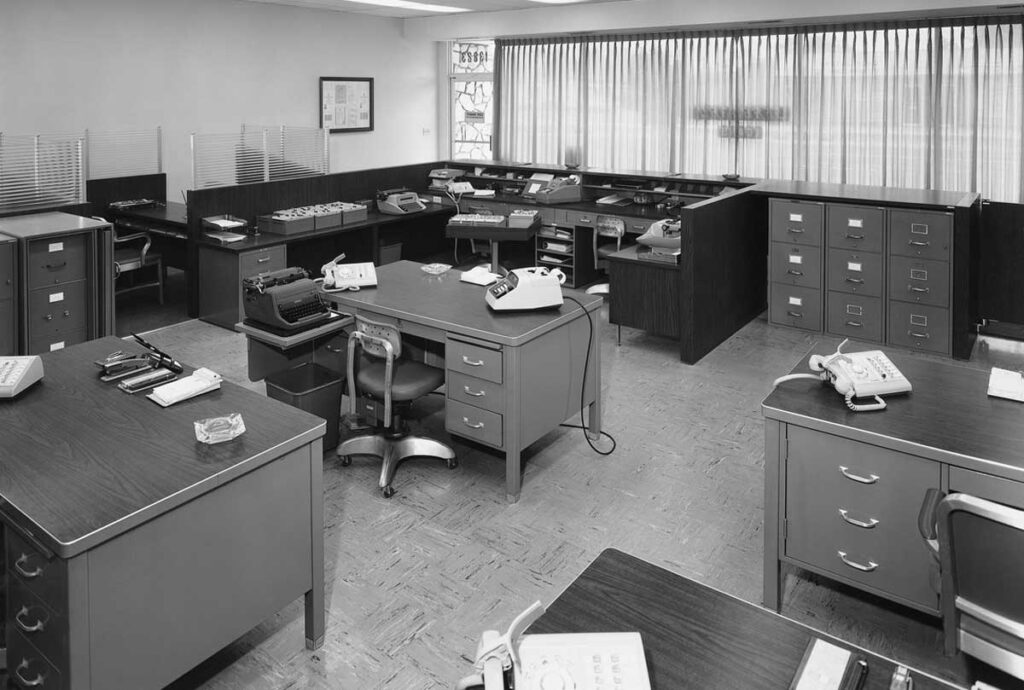
The Cresthaven office, and the institutional continuity it represented, spoke to the Society’s century-plus of durable presence in Memphis medical life.
1988 | A National First in Pain Management
The Mays & Schnapp Pain Clinic and Rehabilitation Center became the first pain management clinic in the U.S. to be accredited.
For more than two decades afterward, it remained the only such accredited clinic within a 500-mile radius of Memphis — setting a national standard for what pain management could look like.
1989 | The First Laparoscopic Gallbladder
Drs. Richard Patterson and Guy Voeller performed the first laser laparoscopic gallbladder removal in Memphis.
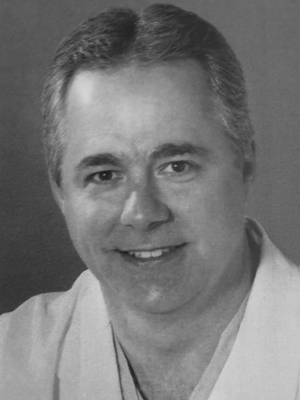
Voeller was at the vanguard of laparoscopic surgery, a minimally-invasive approach that would transform surgical practice in the decades ahead. In 1990, he and Dr. Gene Mangiante conducted Memphis’s first laparoscopic inguinal hernia repair.
TennCare, Transplants, and the First Woman President
Dr. Evelyn Ogle became the first female president of the Society in its 116-year history. TennCare was introduced. Dr. Osama Gaber performed the first segmental liver transplant in Memphis — and, a few years later, the first pancreatic islet cell transplant. An international children’s heart foundation took medical teams to Belarus to repair hearts damaged by Chernobyl. And Christ Community Health Services opened to continue the long Memphis tradition of charity care.
- Click to Expand

1992 | Dr. Evelyn Ogle Becomes the First Female President
More than a century after its founding, the Society elected its first female president — a pediatric neurologist and pioneer in electroencephalography.
Dr. Evelyn B. Ogle became the first female president of the Memphis Medical Society — more than a century after the organization was founded.
A pioneer in electroencephalography and trained in pediatrics, Ogle had become a leader in freestanding EEG facilities — the kind of dedicated diagnostic centers that could provide neurological imaging outside the traditional hospital setting.
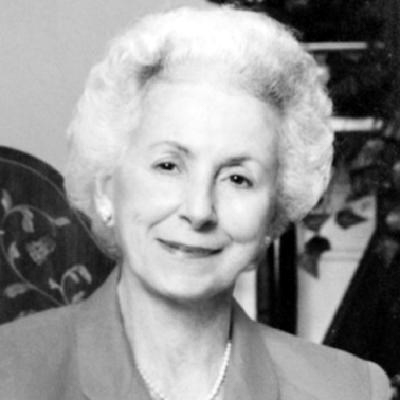
Her clinical expertise combined with decades of institutional involvement had made her one of the most respected physicians of her generation in Memphis. When her colleagues elected her Society president in 1992, they were recognizing not just her individual accomplishments but a profession that looked fundamentally different from the one that had existed when the Society was founded.
Her presidency marked a symbolic shift in the Society’s leadership that echoed the broader transformation of American medicine. In 1992, women were entering U.S. medical schools in roughly equal numbers to men for the first time in the profession’s history. The gender balance of medicine was undergoing its most profound change since the early women physicians of the 1890s — Dr. Rachel Gowling, Dr. Louise Drouillard, Dr. Elizabeth Kane — had first opened their Memphis practices. Ogle’s election was part of that larger turning, and of the long slow process by which the institutions of Memphis medicine came to reflect the full diversity of the physicians they served. By 2008, about half of the students in the UT College of Medicine were women.
1992 | The First Segmental Liver Transplant
UT’s Dr. Osama Gaber performed the first segmental liver transplant in Memphis.

Gaber would go on to perform the first pancreatic islet cell transplant in Memphis in 1995, after UT established its Pancreatic Islet Transplant Laboratory. His work placed Memphis at the forefront of transplant medicine.
1994 | TennCare Is Introduced
Tennessee launched TennCare — a Medicaid managed-care program that changed payments.

TennCare’s introduction — and its complex evolution in the decades that followed — became one of the defining policy contexts for Memphis medicine through the turn of the century.
1994 | The International Children’s Heart Foundation
A Le Bonheur pediatric cardiothoracic surgeon founded a nonprofit that would take Memphis medicine across continents — all the way to Chernobyl.
Dr. William Novik of Le Bonheur founded the International Children’s Heart Foundation, occupying the former Lowenstein mansion.
Dr. William Novik was a pediatric cardiothoracic surgeon at Le Bonheur when he founded the International Children’s Heart Foundation in 1994. Its mission was audacious: to send teams of Memphis medical volunteers to countries where children with heart defects had no access to the kind of surgical care that American hospitals like Le Bonheur had come to offer as standard.
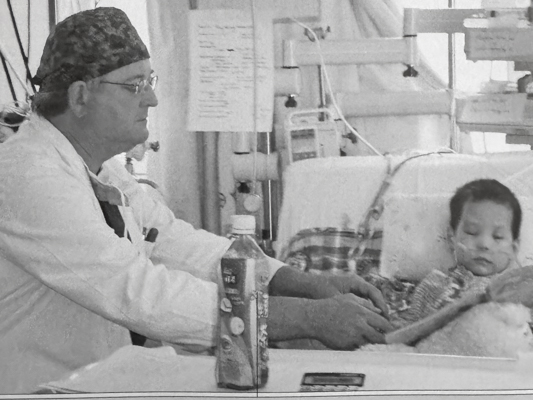
For a mid-sized Southern city whose medical institutions had historically served a regional patient population, establishing a nonprofit focused on global pediatric cardiac surgery was a striking statement of ambition — and of what Memphis medicine had become capable of doing.
In 1996, Novik began taking teams of medical volunteers to Belarus to repair heart defects in children caused by leaked radiation from the Chernobyl disaster. The Chernobyl accident had released radioactive material across a wide region of what had been the Soviet Union, and the children born in the years afterward showed elevated rates of congenital heart defects that local medical systems were not equipped to treat. Over the decades that followed, ICHF teams would travel to dozens of countries, performing surgeries and training local medical personnel to carry on the work after they left. It was an extraordinary example of Memphis medicine reaching across continents, rooted in the pediatric cardiac surgery tradition that Le Bonheur had built since its founding as an orphanage in 1952.

1994 | The Auxiliary Becomes the Alliance
The Auxiliary changed its name to the Memphis and Shelby County Alliance.
The Alliance continued the work the Auxiliary had done since 1928 — supporting physician families, raising funds, and stewarding the Society’s community relationships.

1994 | The Junior League Opens Hope House
The Junior League of Memphis founded Hope House Day Care Center in Midtown.
Hope House addressed one of the era’s most urgent public health crises, creating a a facility for children with HIV/AIDS and providing care for children whose families faced the dual burden of the disease and the stigma surrounding it.

1994 | The Diggs-Kraus Sickle Cell Center
The Sickle Cell Center was rededicated in honor of three doctors.
Thirty-six years after the original center opened in 1958, The Sickle Cell Center was rededicated in honor Drs. Lemuel Diggs, Alfred P. Kraus, and Lorraine Kraus.The rededication honored a multi-decade partnership that had placed Memphis at the center of sickle cell research.
1995 | Methodist and Le Bonheur Merge
An adult system born in 1918 and a pediatric institution born as a 1952 orphanage became one of the defining healthcare systems of the Mid-South.
Methodist Hospital and Le Bonheur Children’s Hospital merged to form Methodist Le Bonheur Healthcare — a unification of two institutions that had each defined their own corners of Memphis medicine.
The merger united an adult system founded in 1918 by the United Methodist Church with a pediatric institution whose roots ran back to a 1952 orphanage. Methodist had been operating as a major Memphis hospital system since 1921, when construction delayed by World War I finally completed.

Le Bonheur had evolved from its origins into one of the premier pediatric hospitals in the Mid-South. Each institution had its own mission, its own board, its own medical staff — and each had spent decades building up specialized programs that increasingly overlapped with the other.
Under the single Methodist Le Bonheur Healthcare name, the combined system went on to anchor Memphis’s transplant programs, newborn care, and pediatric specialty medicine. A new Le Bonheur Children’s Hospital would open on September 27, 2007, built on land where the old Memphis Mental Health Institute had stood. The transplant program under Dr. Osama Gaber would perform 238 liver transplants in a single three-year period from 2006 to 2008. Steve Jobs would select Methodist University Hospital for his own liver transplant in 2009. The merger that brought these pieces together in 1995 created a central force in the city’s twenty-first-century healthcare landscape — one of the three major systems, alongside Baptist and St. Francis, that define Memphis medicine today.
1995 | Christ Community Opens Its Doors
Drs. Donlon, Pepperman, Miller, and Besh opened Christ Community Health Services — continuing Memphis’s long tradition of charity care.
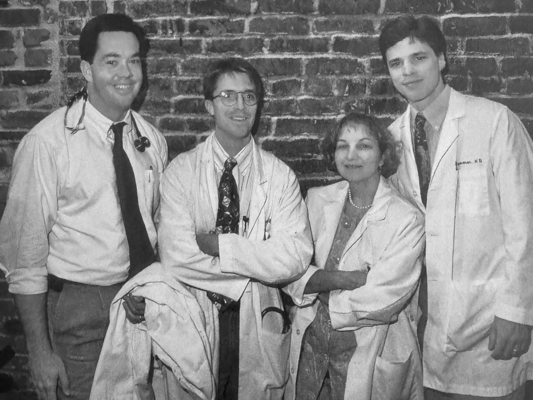
Christ Community grew to become one of the city’s most significant safety-net providers, a twenty-first-century descendant of the tradition that had begun with the Sisters of St. Francis in 1889.
1995 | The Gamma Knife Arrives at Methodist
The Memphis Regional Gamma Knife facility opened at Methodist Central under the leadership of Dr. David L. Cunningham.
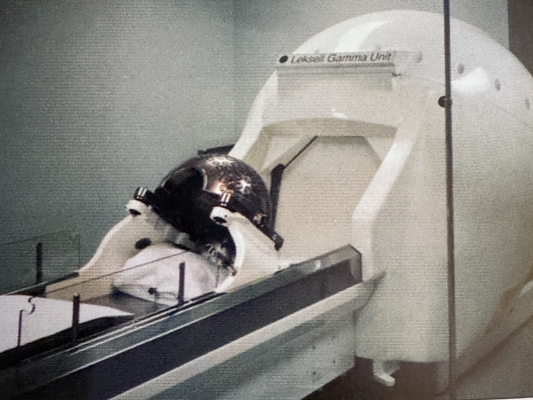
The Gamma Knife represented a new frontier in brain tumor treatment — and established Memphis as one of the few American cities with this level of specialized care.
1995 | A Neurosurgical Powerhouse and a New Research Institute
Two of Memphis’s biggest neurosurgical practices combined — and founded a research institute that would train surgeons from across the country.
Baptist Healthcare’s Semmes-Murphey Clinic merged with Methodist’s Neurosurgical Group — and the same year, founded the Medical Education Research Institute.
The merger brought together two major neurosurgical practices whose combined history traced back to 1912, when Dr. R. Eustace Semmes had returned to Memphis from Johns Hopkins and discovered that his hometown was ‘woefully behind’ in brain surgery.
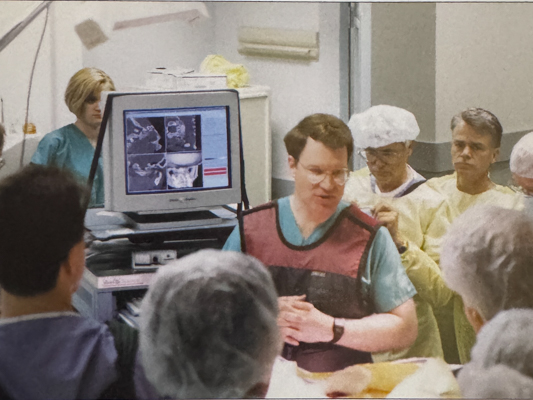
For nearly two decades, Semmes had been the city’s only neurosurgeon — a lone practitioner in a field that had barely existed a generation earlier. By 1995, Memphis neurosurgery had grown to encompass multiple practices, a dedicated neurosurgical hospital program at Methodist, and relationships with UT that trained residents year after year. The merger consolidated all of that into a single organization.
The same year, the partners founded the Medical Education Research Institute — MERI — a dedicated research and training center that would train surgeons from across the country. MERI’s facilities, which included cadaveric labs and advanced simulation equipment, made Memphis one of a small handful of American cities where neurosurgeons came for hands-on training in the newest techniques. Combined with the Gamma Knife facility that opened at Methodist the same year and Le Bonheur’s pediatric neurosurgery program, the 1995 changes anchored Memphis’s reputation as a hub for neurosurgical education and innovation — a reputation the city has maintained ever since, built on the foundation that Semmes had started laying more than eighty years earlier.
1998 | The Mental Health Summit
Volunteers, mental health professionals, and county officials formed the Memphis and Shelby County Mental Health Summit.

By studying how to serve patients left behind by TennCare. The Summit represented a community response to a policy gap — an attempt to address the reality that managed care, for all its promise, had left real people without real help.
1999 | The First Hospitalists
Drs. Mark Hammond and Wiley Robinson formed Inpatient Physicians of the Mid-South — the first group of hospitalists in Memphis.
The hospitalist model — physicians who work exclusively in hospital settings rather than combining inpatient and office practice — represented a fundamental shift in how American medicine was organized, and Memphis was among the cities where that model took early root.
1999 | Allergy and Asthma Specialists
Dr. Joseph Fahhoum founded a specialty practice that reflected the broader Memphis trend of physician-owned groups flourishing even as hospitals consolidated.
Dr. Joseph Fahhoum founded Allergy and Asthma Specialists of Memphis — another of the specialty practices that defined late-twentieth-century Memphis medicine.
Dr. Joseph Fahhoum founded Allergy and Asthma Specialists of Memphis in 1999, part of a broader Memphis pattern in the late twentieth century: physician-owned specialty practices flourishing even as the larger hospital systems consolidated.

Where Baptist, Methodist, and St. Francis were growing into regional healthcare networks with multiple campuses and thousands of employees, practices like Fahhoum’s represented a different model — smaller, physician-led organizations focused on delivering specific specialty care in an outpatient setting, often with closer patient relationships than the large institutions could maintain.
The allergy-and-asthma specialty itself was growing rapidly in the 1990s, driven by rising rates of asthma in American children, increasing recognition of environmental allergies, and better diagnostic and treatment tools. Memphis’s specific environment — its climate, its regional pollen patterns, its air quality — meant that allergy and asthma were particularly common conditions among its residents. A dedicated practice focused on them reflected both the scientific maturation of the specialty and a patient population that benefited from having physicians who worked in nothing else. Fahhoum’s practice was one of several Memphis specialty clinics founded in this era that would become long-running institutions in their own right.

A New Name and a New Era
The Society renamed itself The Memphis Medical Society. Dr. Neal Beckford became its first Black president. Steve Jobs chose Methodist University for his liver transplant. A Da Vinci robotic surgery platform arrived, originally designed for NASA astronauts. Baptist’s old Madison campus was imploded, ending one era and opening another. And the number of foreign-trained physicians in Memphis rose to a quarter of the city’s medical workforce.
- Click to Expand
2000s | A Foreign-Born Physician Workforce Grows
By the 2000s, about one in four Memphis physicians had trained overseas — a transformation of the profession the city’s founders would not have recognized.
The number of foreign-trained or foreign-born physicians in Memphis rose to about 25% of the local pool — mirroring the national trend.
By the mid-2000s, the number of foreign-trained or foreign-born physicians in Memphis had grown to roughly 25% of the local medical pool — a transformation that mirrored a national trend but was particularly visible in cities like Memphis with major academic medical centers.
Physicians had come from India, Pakistan, the Philippines, Nigeria, Egypt, Iran, Eastern Europe, the Caribbean, and dozens of other places, drawn by training positions at the University of Tennessee, by clinical opportunities in the city’s hospitals, and by the networks of colleagues and family members who had come before them.
The physicians who arrived built careers, opened practices, started families, and put down civic roots. Many took on leadership roles in Memphis medicine — hospital department chairs, MMS committee members, specialty society presidents. The diversification extended a Memphis medical tradition that stretched back to the German-trained pathologists of the 1880s and the European-trained specialists who had reshaped the city’s medicine at the turn of the twentieth century. The city’s medicine had, from its earliest days, been made richer by physicians who came from elsewhere. The twenty-first-century foreign-born workforce was the latest and largest expression of that pattern — and one of the most significant changes in the profession Memphis had ever seen.
2001 | The Society Takes Its Modern Name
Under the presidency of Dr. Hugh Francis III, the Society was renamed The Memphis Medical Society — its name today.

The name marked a symbolic transition into the 21st century and a fresh expression of the Society’s identity as the medical home for Memphis physicians.
2001 | Dr. Fleming Earns a National Distinction
Surgical oncologist Dr. Irvin Fleming received the American Cancer Society’s Distinguished Service Award.
Fleming had served as the American Cancer Society’s president in 1993–1994 — another example of a Memphis physician taking on national leadership in their specialty.
2001 | Baptist’s Banner Year
A Women’s Hospital. A Comprehensive Breast Center. A Heart Institute. All in one year, all at the East complex.
In 2001, Baptist opened its Women’s Hospital, its Comprehensive Breast Center, and its Heart Institute — all at the East complex, all in the same year.
Dr. Lynn W. Gayden oversaw the Women’s Hospital and the Comprehensive Breast Center, both of which brought together services that had previously been scattered across multiple locations.
The integration was a strategic bet on specialization — on the idea that women’s health deserved its own dedicated building, and that comprehensive breast care, spanning screening through treatment, could be significantly better when delivered as a single integrated program. Dr. H. Edward Garrett, Jr. led the Heart Institute, which brought Baptist’s cardiovascular program into a dedicated facility equipped for the full spectrum of cardiac care.
The year represented a remarkable consolidation of specialty care at the eastern edge of the Baptist system, reinforcing a pattern the city had been following since the 1970s. As Memphis affluence moved east, its medical infrastructure followed. Baptist Memorial Hospital East, which had opened in 1979, became the system’s flagship campus in 2000 when the Madison Campus in the Medical District closed. The three 2001 openings deepened that eastern footprint and cemented the system’s identity as a twenty-first-century health network rather than the single hospital on Madison Avenue it had started as in 1912. Across the following decade, Baptist would continue expanding — Women’s Hospital, Breast Center, and Heart Institute each growing in size and reputation — as the Memphis healthcare landscape increasingly converged on a small number of large, integrated systems competing for regional leadership.
2003 | The Da Vinci Arrives
Baptist introduced the first Da Vinci tele-robotic surgery platform in Memphis — a system originally developed by NASA for surgery on astronauts.
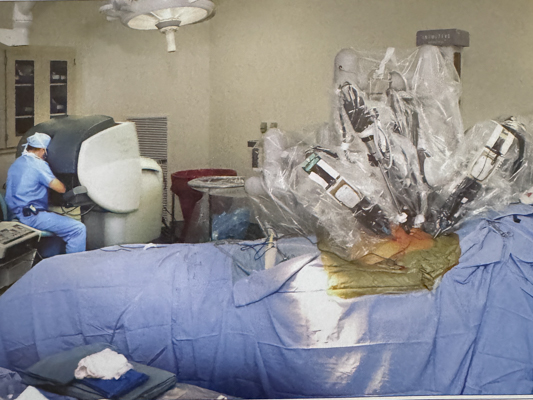
Memphis ophthalmologist Dr. Steve T. Charles of MicroDexterity Systems had collaborated with NASA’s Jet Propulsion Laboratory on the technology. Other early adopters deployed the system for prostatectomies: Drs. Richard M. Pearson, Lynn W. Conrad, and H. Michael McSwain, and in the Methodist system, Drs. Ravi D. Charles and Robert A. Donato.
2004 | Dr. Neal Beckford Becomes the First Black President
Dr. Neal S. Beckford became the first Black president of the Memphis Medical Society — 128 years after the Society’s founding.
Beckford’s presidency, coming four decades after Dr. Clara Brawner’s 1964 election to Society membership, marked another turning point in the Society’s relationship with the city it served.

2004 | St. Francis Healthcare Is Born
With the opening of St. Francis-Bartlett, the St. Francis Healthcare umbrella system came into being.
The new system joined Baptist and Methodist Le Bonheur as one of the defining regional systems in the Memphis healthcare landscape.

2004 | Stereotaxis Uses Magnets for Surgery
Baptist became one of the first hospitals to use the Stereotaxis system — guiding catheters through arteries using magnets.
The system allowed tiny, intricate procedures in hard-to-reach areas of the heart. Dr. Eric Johnson participated in the initial test.

2004-2007 | The Hamilton Eye Institute
UT’s Hamilton Eye Institute opened in three phases, becoming a global leader in the treatment of eyes and vision.
The Institute consolidated decades of Memphis ophthalmic innovation — from Dr. James Minor’s 1885 arrival to Dr. David Meyer’s retinal work — into a single world-class facility.
2005 | InMotion Launches
Memphis’s decades-old orthopedic tradition got a dedicated research institute — another chapter in the city’s long orthopedic story.
InMotion Musculoskeletal Institute launched as a nonprofit laboratory for musculoskeletal research.
The launch of InMotion in 2005 placed a dedicated research engine inside a Memphis orthopedic ecosystem that had been developing since Dr. Willis Campbell opened Campbell Clinic in December 1920.
Over the intervening eighty-five years, Memphis had grown into one of the most important orthopedic centers in the country — anchored by the clinic, by Campbell’s widely-used textbook, and by the medical-device industry that Richards Manufacturing, Wright Medical, and eventually Medtronic had built up around it. But for most of that history, the research side of Memphis orthopedics had been carried out inside hospitals, clinics, and manufacturing companies — not in a dedicated nonprofit institute.
Renamed InMotion Orthopedic Research Center in 2009, the institute provided a structure for basic and clinical orthopedic research independent of any single hospital system or company. It could pursue long-horizon scientific questions that did not have immediate commercial application, and could convene researchers across institutions in a way that the clinical and commercial settings had not. InMotion became one more example of how Memphis medicine, in the twenty-first century, was professionalizing and specializing — building dedicated institutional homes for areas of work that had previously been distributed across the broader system, and reinforcing the city’s identity as a national center for orthopedic research and care.
2005 | Baptist Memorial’s Madison Campus Is Imploded
The hospital that had once been the nation’s largest non-government hospital by admissions came down on November 6, 2005.

Baptist Memorial Hospital East had become the system’s flagship campus in 2000, making the old Madison campus obsolete. The implosion closed a chapter that had begun in 1912.
2007 | The New Le Bonheur Opens
The old Memphis Mental Health Institute building was demolished to make way for the new Le Bonheur Children’s Hospital.
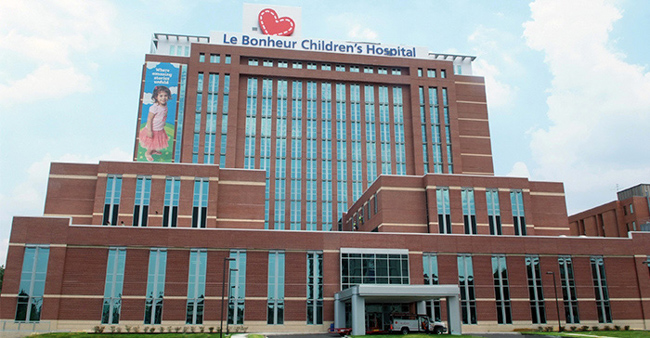
The new Le Bonheur Children’s Hospital, Opened its doors on September 27, 2007. The Mental Health Institute relocated to the former site of UT’s William F. Bowld Hospital, which had been demolished in 2004 — a complex shuffle of buildings that reorganized Memphis’s downtown medical footprint.
2009 | Steve Jobs Chooses Methodist University
When the world’s most famous technology executive needed a liver transplant, he came to Memphis.
Steve Jobs selected Methodist University Hospital for his liver transplant in 2009 — a quiet testament to the program Dr. Osama Gaber had built over the previous decade.
Methodist had secured $1.7 million in 2001 to establish one of ten islet cell resource centers in the nation, and the Abdominal Transplant Program under Dr. Gaber had grown into one of the country’s leading facilities.

When a Memphis outbreak began, patients started showing up at Baptist with severe pneumonia that did not respond to standard antibiotics. Without knowing exactly what they were dealing with, Kelley and Rightsel ran the laboratory work that identified the organism in real time — while the outbreak was still unfolding.
When the world’s most famous technology executive needed a liver transplant, Memphis was where he came. Jobs’s decision became one of the most widely-publicized endorsements any American transplant program had ever received, and it reflected the slow but profound transformation that had taken place in Memphis medicine. What had started with Dr. Louis Britts’s kidney transplant at Bowld Hospital on April 9, 1970 had grown, over nearly four decades, into a transplant medicine infrastructure capable of drawing patients from Silicon Valley. Jobs would die two years later from complications of his underlying cancer — the transplant had not cured him — but his choice of Memphis remained a striking testament to what the city’s medical institutions had built.
A New Healthcare Law, A New CEO
Congress passed the Patient Protection and Affordable Care Act, reshaping the American healthcare landscape. Clint Cummins became CEO of the Memphis Medical Society. And the Tennessee Medical Association — the statewide parent to which MMS belongs — was named the most influential advocacy organization on Capitol Hill.
- Click to Expand


2010 | The Affordable Care Act
The Patient Protection and Affordable Care Act was passed — one of the most significant pieces of healthcare legislation since Medicare and Medicaid in 1965.
The ACA would reshape insurance markets, Medicaid eligibility, and the business of American medicine for years to come.

2016 | Clint Cummins Becomes CEO
Clint Cummins, MHA, became CEO of the Memphis Medical Society — succeeding the three-decade tenure of Michael Cates.
Cummins brought a new generation of leadership to a Society that had existed since 1876, carrying forward its mission into a transformed healthcare environment.

2019 | TMA Named Most Influential
The Tennessee Medical Association was named the most influential advocacy organization on Capitol Hill.
The distinction reflected a century of sustained advocacy by Tennessee’s organized medicine — and the role the Memphis Medical Society played within that statewide structure.

Pandemic and Project Access
A global pandemic arrived in Memphis in 2020, testing the city’s medical system in ways unmatched since the yellow fever era. The Memphis Medical Society mobilized, drawing serious acclaim for its response. And in 2021, Project Access West Tennessee opened its doors — the Society’s integrated health improvement organization, focused on increasing healthcare access for the low-income and uninsured.
- Click to Expand
2020 | The COVID-19 Pandemic Erupts
The first global pandemic in a century. The Memphis Medical Society led a response that would earn serious recognition.
The COVID-19 pandemic erupted in Memphis and Shelby County in the late winter of 2020, testing the city’s medical system as it had not been tested since the yellow fever era.
The pandemic arrived at Memphis hospitals in March of 2020, and within weeks the city was confronting the realities that were unfolding across the country: overwhelmed ICUs, scarce personal protective equipment, a rapidly-mutating virus that was killing patients faster than the medical community could understand what it was.

The Memphis Medical Society became a central coordinating voice — for physicians, for hospitals, for the public — during a crisis that demanded exactly the kind of organized medical response the Society had been built for in 1876.
Across the pandemic’s first waves, MMS coordinated physician communications, facilitated information-sharing across hospital systems, advocated for member physicians facing burnout and exposure risk, and served as a trusted local voice during a period when medical misinformation was spreading as quickly as the virus itself. The Society’s response drew serious national recognition. It was, in many ways, the same role the Memphis Medical Society had played in the 1878 yellow fever epidemic, in the 1918 flu, in the 1937 flood — the organized professional home that Memphis physicians could rely on when the scale of a crisis outran any individual hospital’s capacity. Nearly a century and a half after the founding committee had drafted the Society’s constitution, its purpose was being tested again — and again, it held.
2021 | Project Access West Tennessee
The Society’s integrated health improvement organization focused on healthcare access for low-income, uninsured people.
Project Access aims to reduce health disparity and inequity across West Tennessee — a direct continuation of the charity-care tradition that has run through Memphis medicine from its earliest days to the present.
2026 | 150 Years of Memphis Medicine
The Memphis Medical Society marks 150 years — a century and a half of physicians, patients, institutions, and the city they have shaped together.
From the 1876 gathering of Shelby County physicians, through yellow fever, two world wars, the Depression, polio, civil rights, and a global pandemic, the Society has remained what its founders set out to make it: a professional home where Memphis physicians come together to advance medical knowledge, protect their profession, and serve their community.